Enterprise AI Security & Assurance

Put autonomous AI into production—without losing control.

Orbyntis helps CIOs, CISOs, and technology leaders make agent authority visible, controls testable, and every critical action reviewable.

Authority VisibleControls TestedEvidence Reviewable

Approved Technology Partners

OpenAI Partner Network Select Partner
MicrosoftAI Cloud Partner

Approved Technology Partners

OpenAI Partner Network Select Partner
MicrosoftAI Cloud Partner
Orbyntis AI Security LabSee where autonomous authority becomes exposure.Explore one architecture through 15 private, in-browser questions. Directional, not a certification.

Guided Exposure Check

One workflow.
Five control layers.

Answer from the perspective of the highest-impact agent you operate or plan to deploy.

  1. 01Context
  2. 02Authority
  3. 03Reach
  4. 04Controls
  5. 05Evidence
No responses leave this page.
Step 1 of 5
01System Context

Where does the agent operate?

Use the highest-impact environment it can reach.

Which model layer powers it?

This adds architectural context; it does not judge a provider.

How independently can it act?

Consider real production behavior, not the intended policy.

Make authority visible.
Make control provable.

Three questions matter before an autonomous system reaches production.
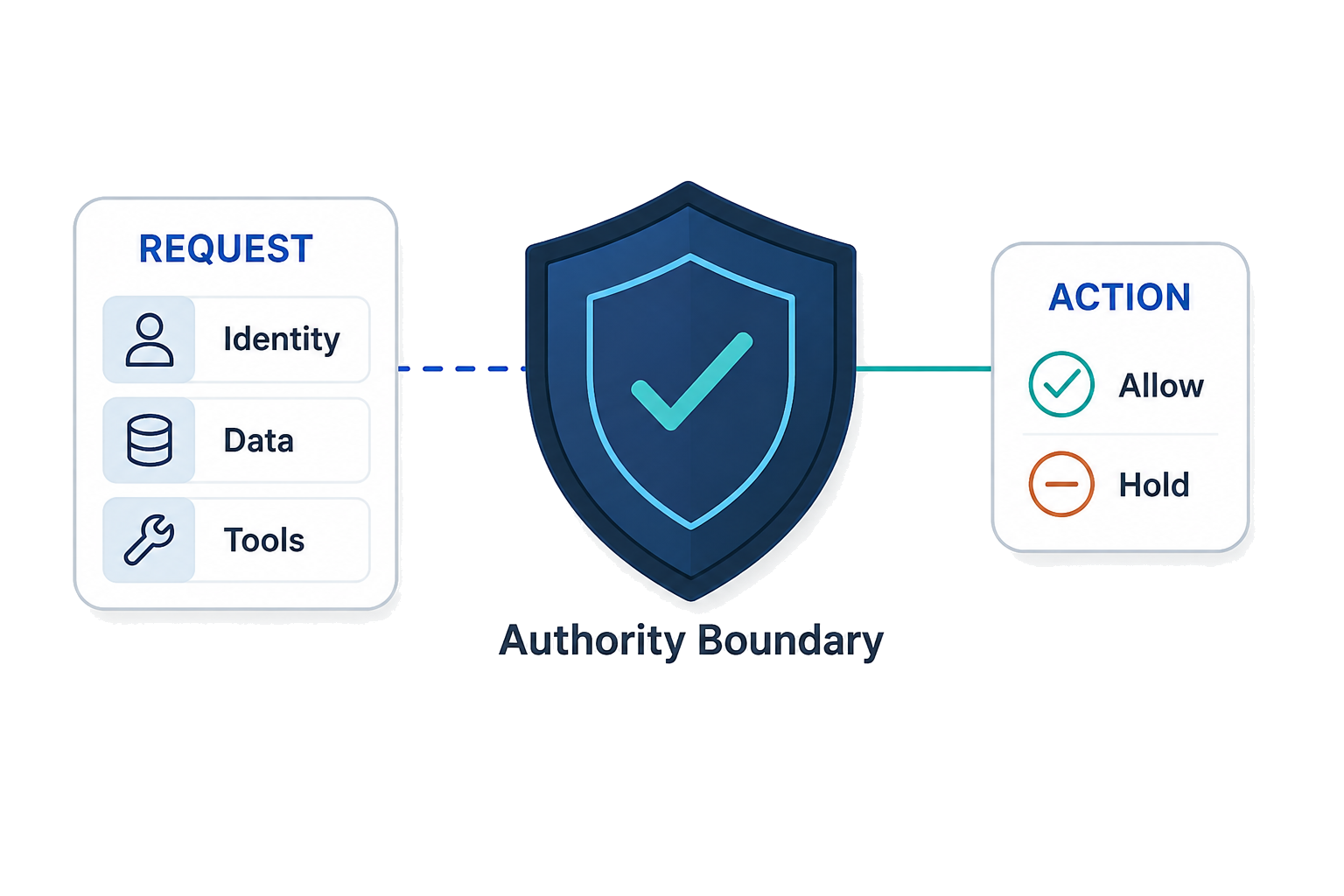
Know the boundary
Authority boundary showing governed access across identity, data, tools, and autonomous actions.

Know the boundary

Map what the system may access, decide, and change.

Learn More
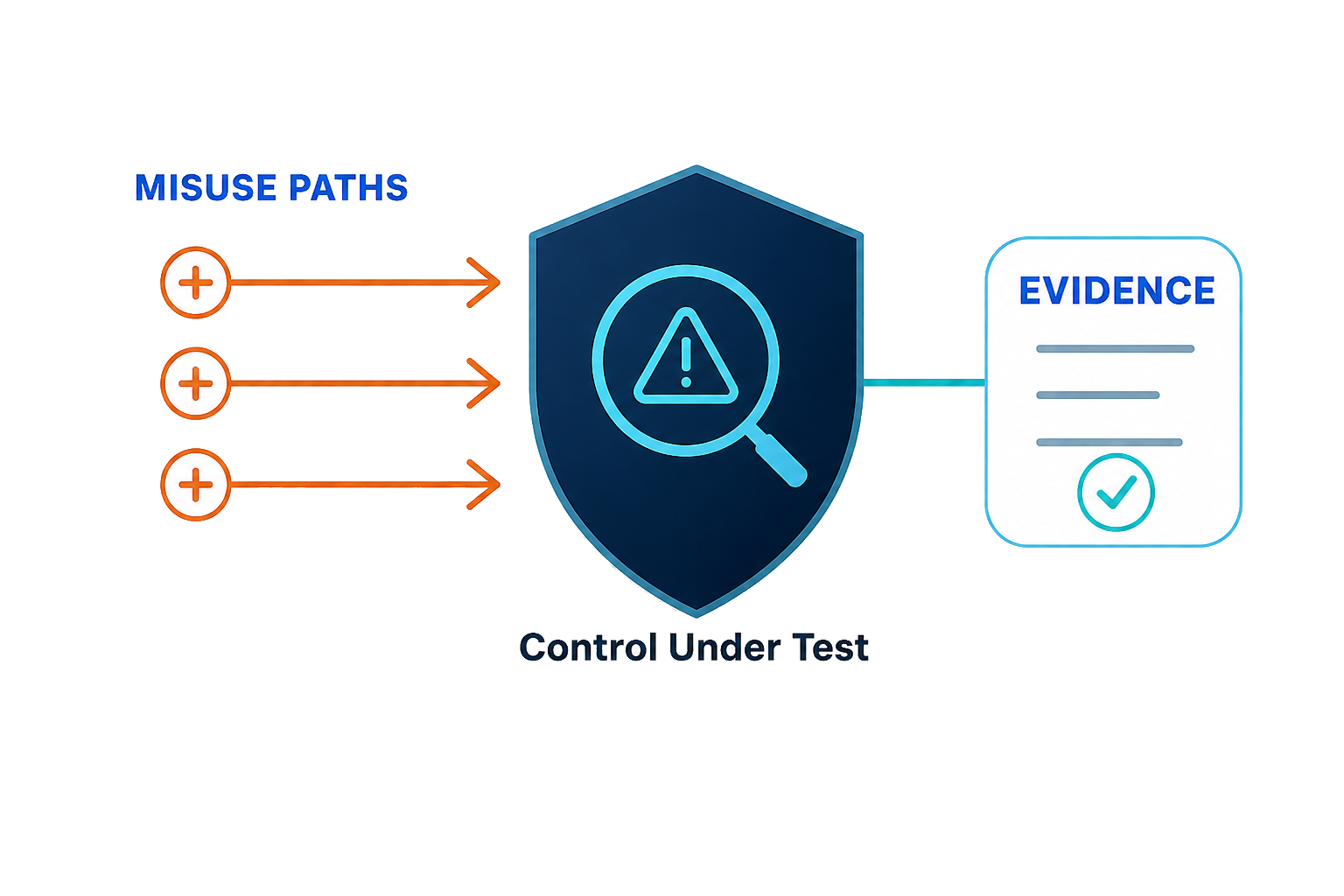
Test the pressure
Misuse paths converge on a control under test and leave reviewable evidence.

Test the pressure

Exercise misuse paths before they become operational incidents.

Learn More
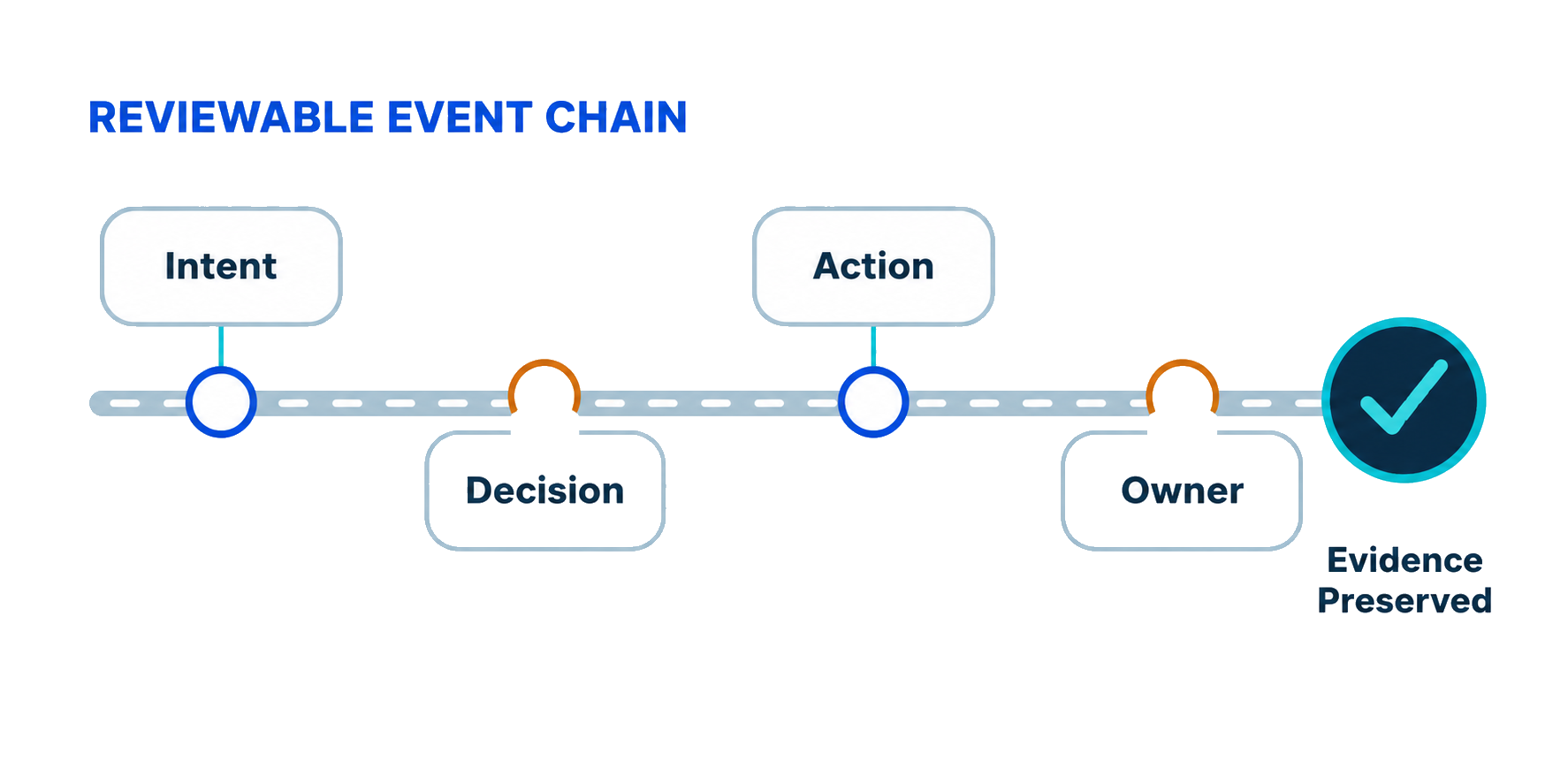
Prove the control
A reviewable event chain connecting intent, decision, action, ownership, and preserved evidence.

Prove the control

Leave reviewable evidence for engineering and governance teams.

Learn More
ProductsFive products. One assurance path.Start with the risk you need to understand. Expand only when you are ready.
01 · AgentShield

Assess exposure before AI acts.

Map permissions, tools, memory, identity, and action boundaries—then test where control can fail.

Untrusted InputPrompt · ContextExcess ReachTools · DataAgentShieldPolicy AppliedIdentity · ApprovalAction BoundedControl · EvidenceAgentShieldExposure Becomes Bounded AuthorityExplore AgentShield

Engineering depth where
assurance needs it.

Explore only the service relevant to your immediate risk.
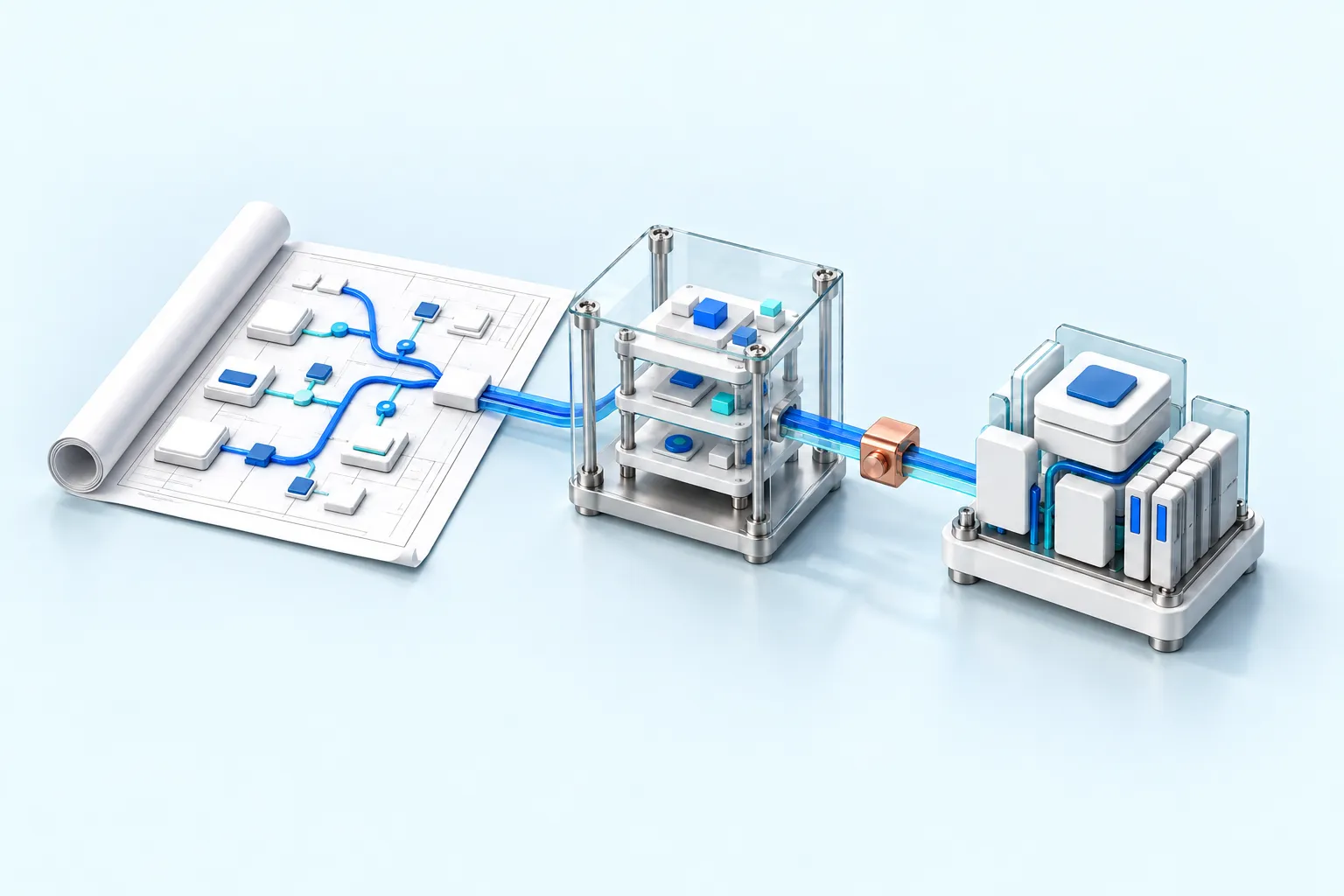
A workflow blueprint passes through a glass prototype and review point into an enterprise integration.
From use case to controlled delivery.

AI Engineering

Enterprise AI Consultation & Engineering

Plan and engineer enterprise AI workflows with clear security boundaries, operating controls, and production-readiness criteria.

Challenge

A working AI pilot still needs explicit data boundaries, approval paths, and production acceptance criteria.
Engagement Outputs

  • A documented target architecture and trust-boundary map
  • Prioritized engineering and security requirements
  • A controlled path from pilot to production
Explore Service
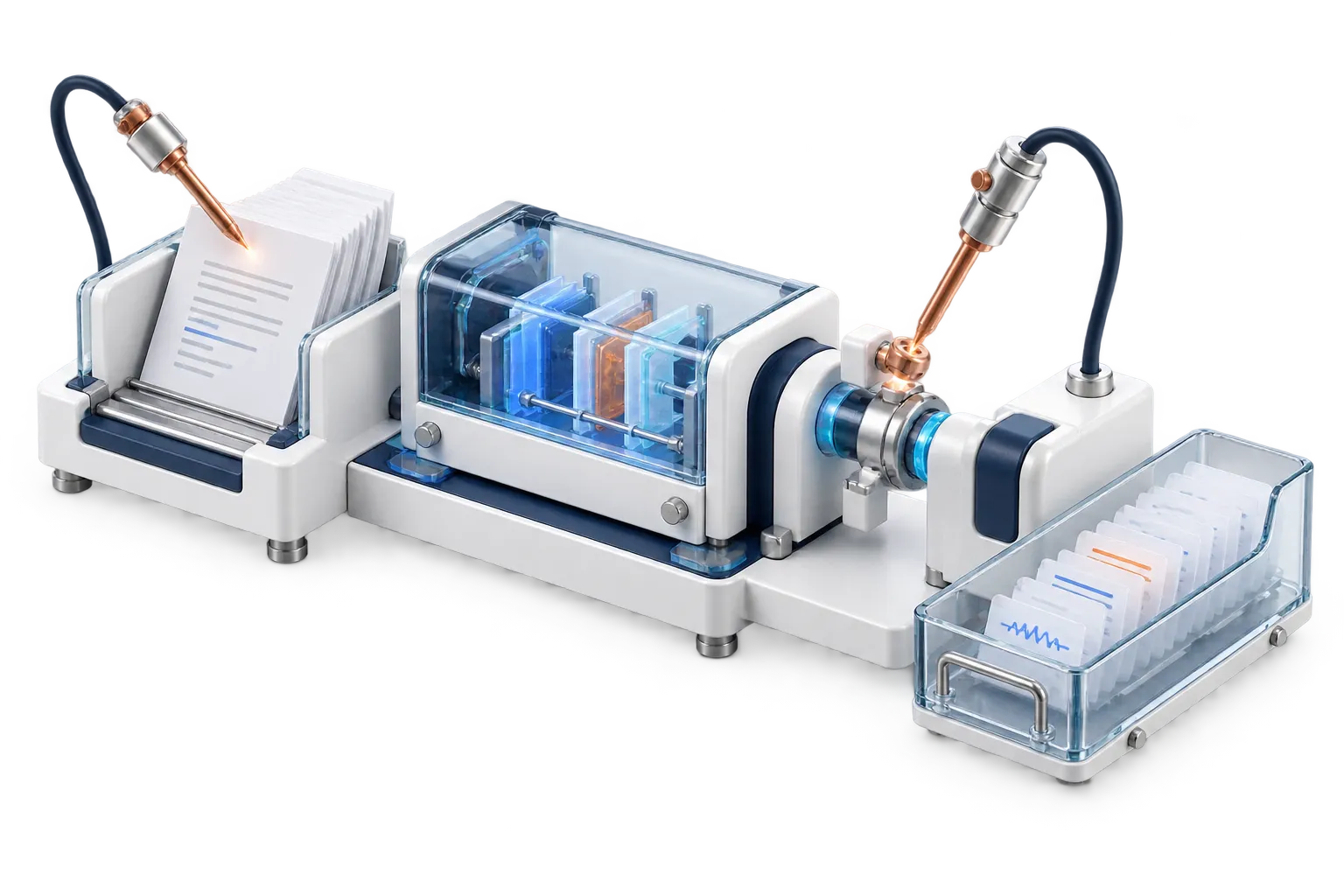
Adversarial probes test a connected workflow and produce an ordered evidence trail.
Test the workflow under pressure.

AI Security Testing

AI Red Teaming

Test AI agents and autonomous workflows for prompt injection, tool misuse, data exposure, control bypass, and unsafe business actions.

Challenge

Model-only tests can miss prompt injection, tool misuse, and approval bypass across the complete action chain.
Engagement Outputs

  • A threat-informed adversarial test plan
  • Evidence-backed findings ranked by business impact
  • Remediation guidance and validation criteria
Explore Service
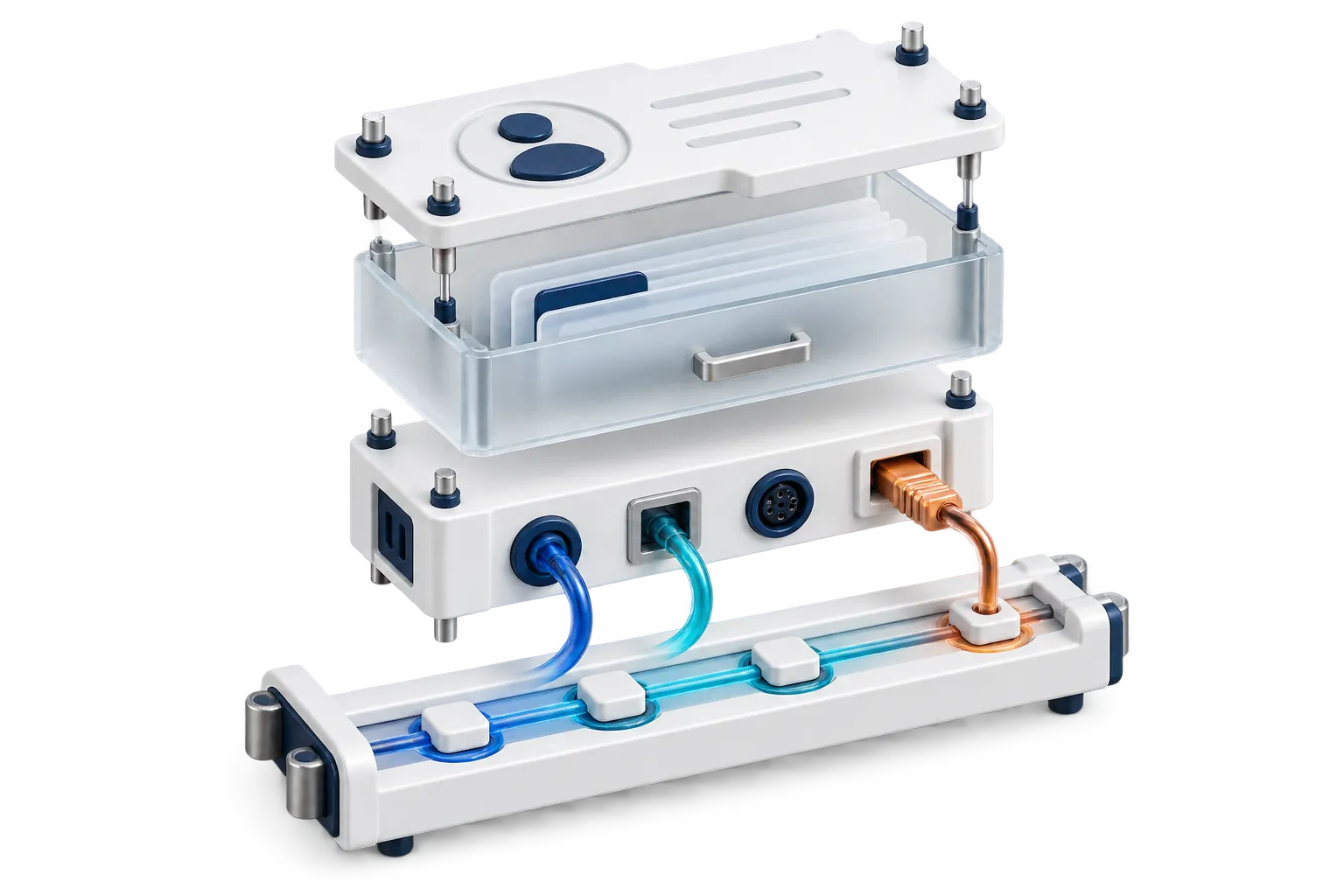
A technical model maps agent access and control boundaries around enterprise actions.
Understand what your agent can change.

Agent Security

Agent Security & Runtime Risk Assessment

Assess AI agent permissions, tools, memory, context, identity, approvals, and runtime controls before business-critical deployment.

Challenge

An agent's identities, tools, memory, and integrations can give it more authority than its owners expect.
Engagement Outputs

  • An inventory of agent capabilities and trust boundaries
  • A risk-ranked control-gap assessment
  • Recommended runtime, approval, and containment controls
Explore Service
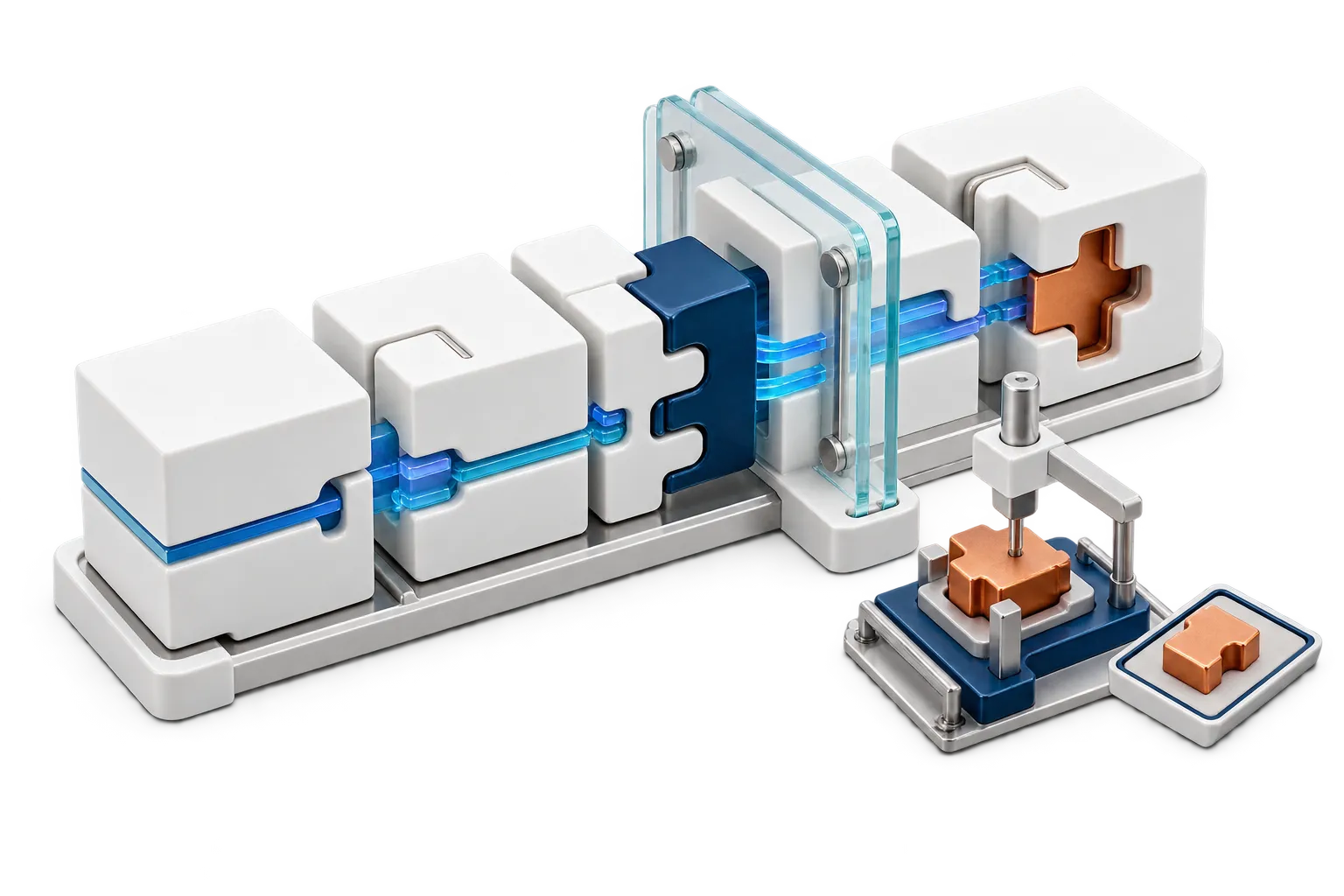
Software components move through an engineered integration and validation process.
Turn security requirements into working controls.

Secure Engineering

Secure Software Development

Engineer security-conscious AI applications, integrations, automation, and remediation for enterprise environments.

Challenge

Assessment findings need reliable implementation across application logic, identity, APIs, and review interfaces.

Engagement Outputs

  • Security requirements translated into working software
  • Reviewable integration and control patterns
  • Validation evidence for implemented remediation
Explore Service
Operational evidence connects workflow controls to accountable review.
Connect accountability to operating evidence.

AI Governance

AI Governance, Observability & Compliance Advisory

Translate enterprise AI risk into accountable governance, operational evidence, monitoring, and compliance-ready review practices.

Challenge

Policies need defined owners, observable controls, and evidence from the systems they govern.

Engagement Outputs

  • Clear ownership and approval responsibilities
  • Defined runtime evidence and review requirements
  • A governance model connected to engineering controls
Explore Service

A practical path from unclear autonomy to controlled operation.

Orbyntis work starts by making the agent boundary explicit, then turns risk into engineered controls, validation evidence, and operating ownership.
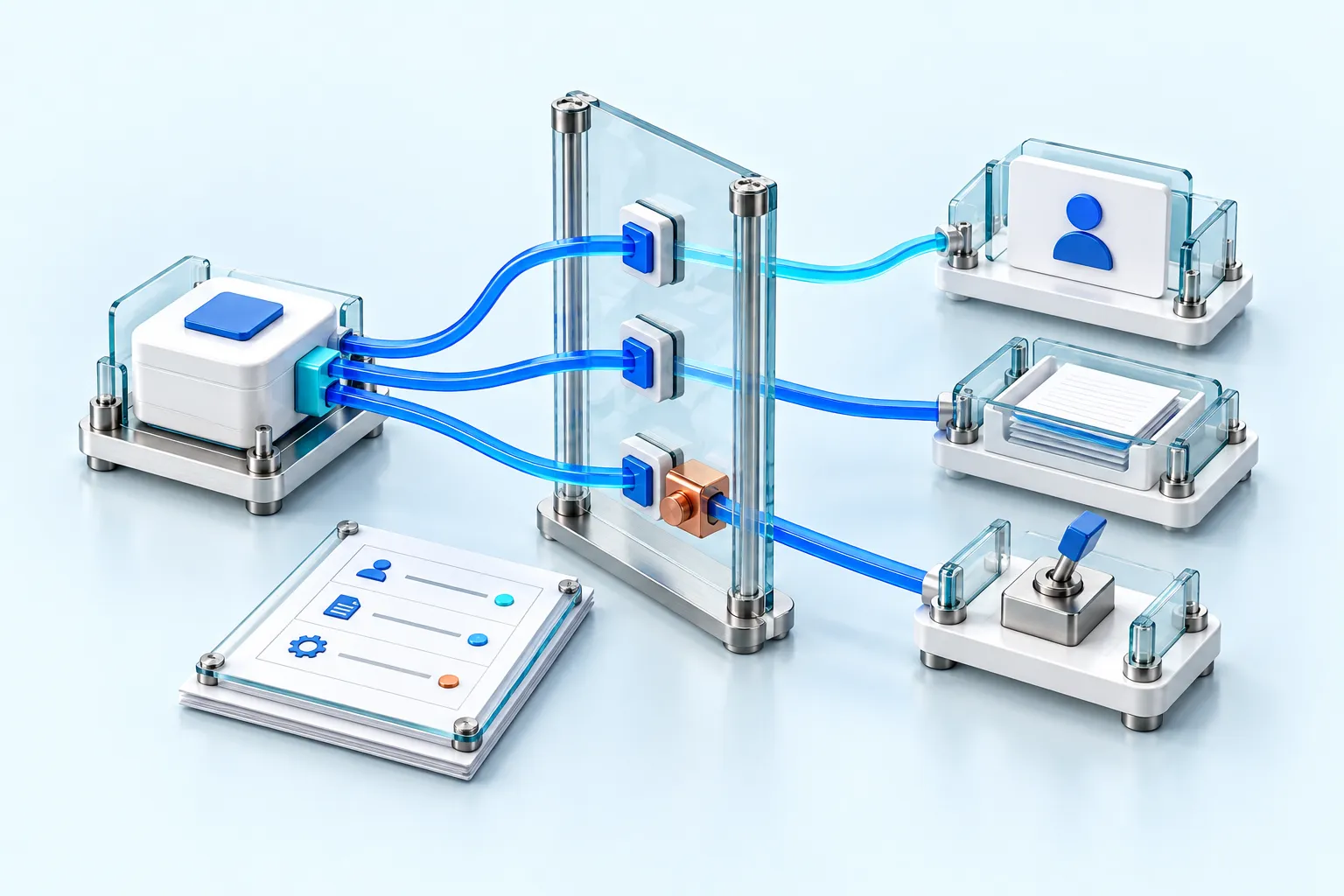
An agent connects through a glass authority boundary to identity, data, and business actions, with a separate evidence record.
Start with what the agent can access and change.

Assess

Map authority

Define the agent, users, identities, data, tools, approvals, and business actions in scope.

Step Output

Workflow boundary and authority inventory
What You Leave With

  • A defined agent authority boundary
Explore Assess
A technical model of connected threats and control boundaries.
Follow misuse paths to business impact.

Threat Model

Find misuse paths

Connect prompt, context, identity, tool, and approval risks to business impact.

Step Output

Threat scenarios and control assumptions

What You Leave With

  • Prioritized misuse paths and control assumptions
Explore Threat Model
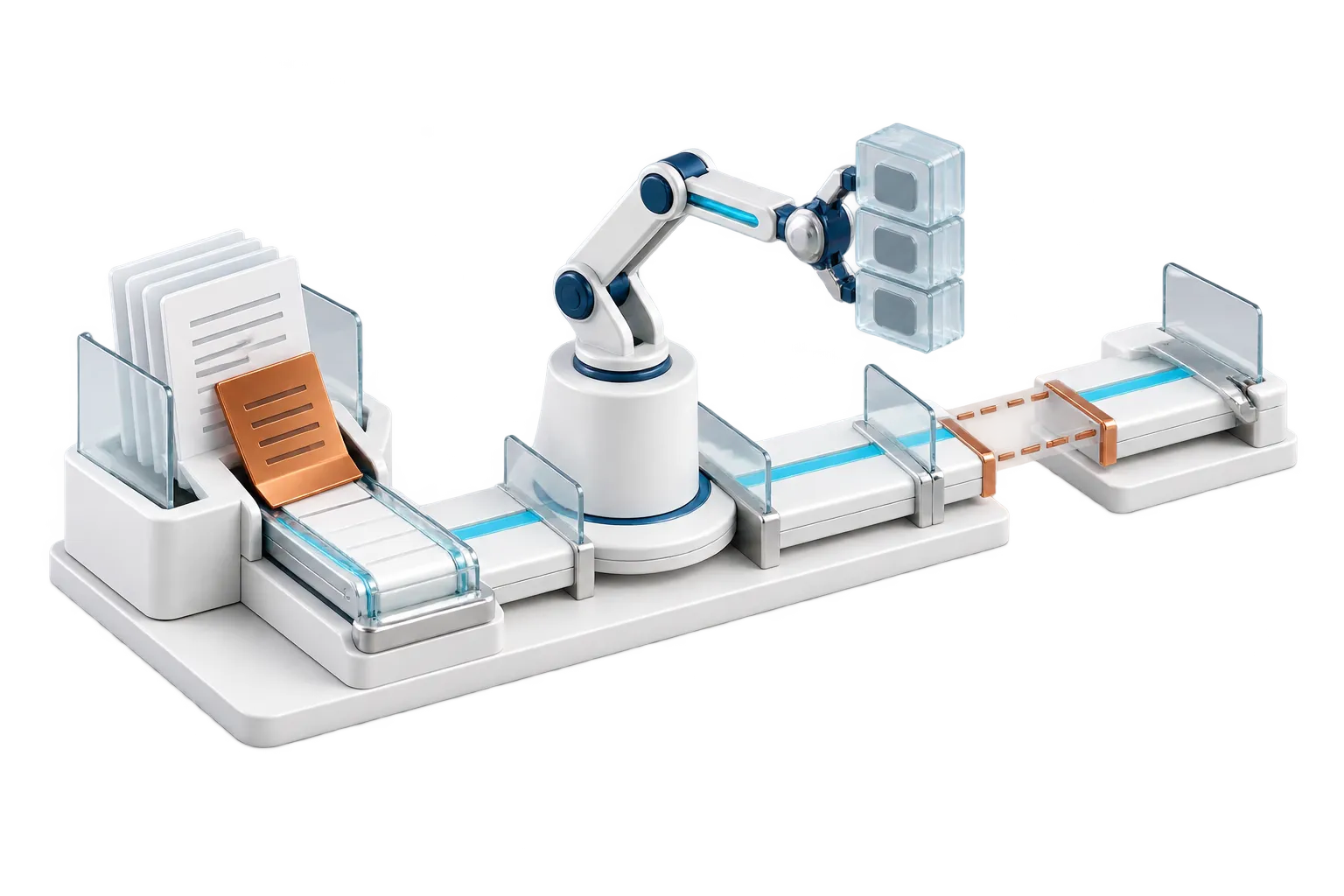
Connected software components form an engineered delivery workflow.
Place controls where sensitive actions happen.

Engineer

Build controls

Place deterministic checks around sensitive actions instead of relying only on model behavior.

Step Output

Control plan and remediation backlog

What You Leave With

  • Engineering actions tied to business risk
Explore Engineer
Adversarial tests exercise a workflow and create reviewable evidence.
Test the control, not only the model.

Validate

Prove the change

Exercise realistic failure paths and confirm controls hold under adversarial or degraded conditions.

Step Output

Test evidence and validation results

What You Leave With

  • Validation evidence that can be reviewed
Explore Validate
Workflow controls connect to operational evidence and accountable review.
Keep ownership and evidence connected.

Operate

Review evidence

Keep ownership, logging, containment, and reassessment tied to material workflow changes.

Step Output

Operating cadence and evidence trail

What You Leave With

  • Operating ownership for monitoring and change
Explore Operate

Move from concern to a testable risk boundary.

Use these evergreen guides to understand autonomous AI threats, agent security decisions, enterprise patterns, and common assurance questions.
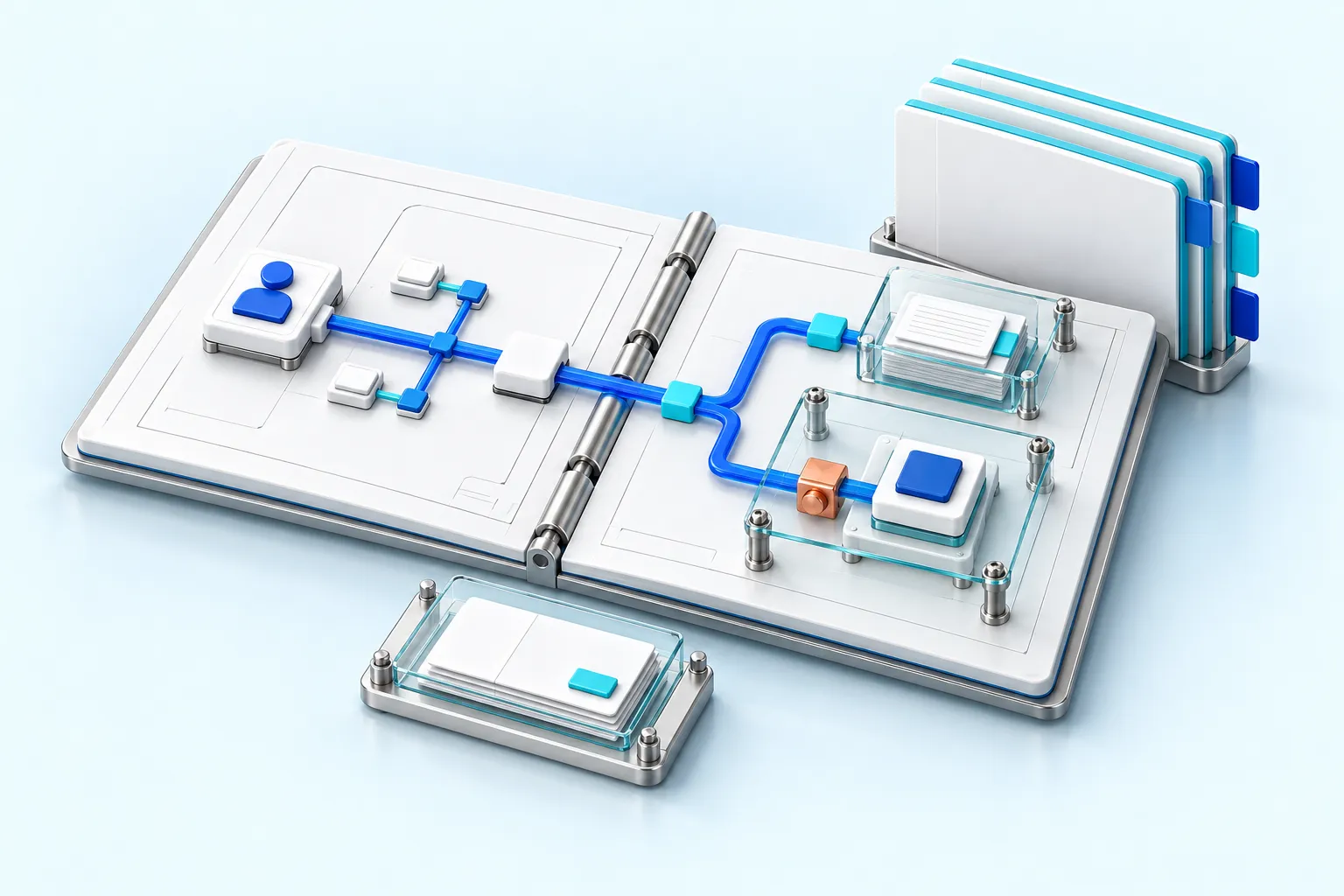
An open technical field guide maps identity, data, and tool connections through transparent trust boundaries.
Understand the system before assessing the risk.

Agent Foundations

AI Agent Security

A practical hub for authority, tools, identity, context, controls, and runtime evidence.

Topics Covered

  • Agent identities and permissions
  • Tool access and context boundaries
  • Runtime controls and reviewable evidence
Explore Guide
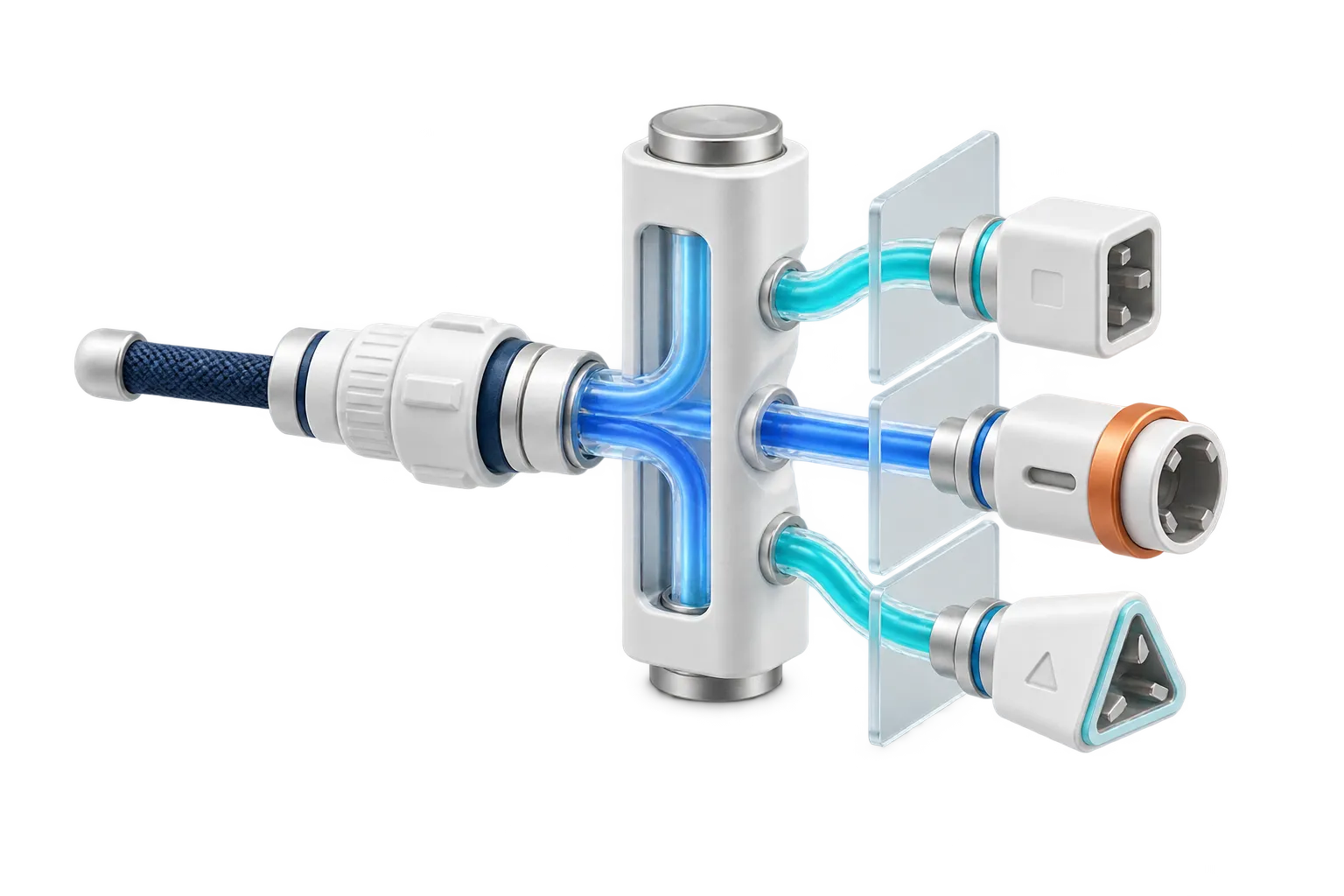
An interconnected technical model illustrates autonomous AI threat paths.
Turn threat names into concrete control questions.

Threat Research

Autonomous AI Threat Library

Threat families for agentic workflows, mapped to business impact and control questions.
Topics Covered

  • Prompt injection and poisoned context
  • Excessive permissions and unsafe tool use
  • Approval bypass and audit gaps
Explore Guide
A connected technical model represents MCP servers, tools, and trust boundaries.
Trace trust across agent, server, and tool.

Connected Tools

MCP Security

Server, tool, testing, prompt injection, and data exposure guidance for MCP-connected agents.
Topics Covered

  • MCP server and tool security
  • Prompt injection and data exposure
  • Testing connected agent workflows
Explore Guide
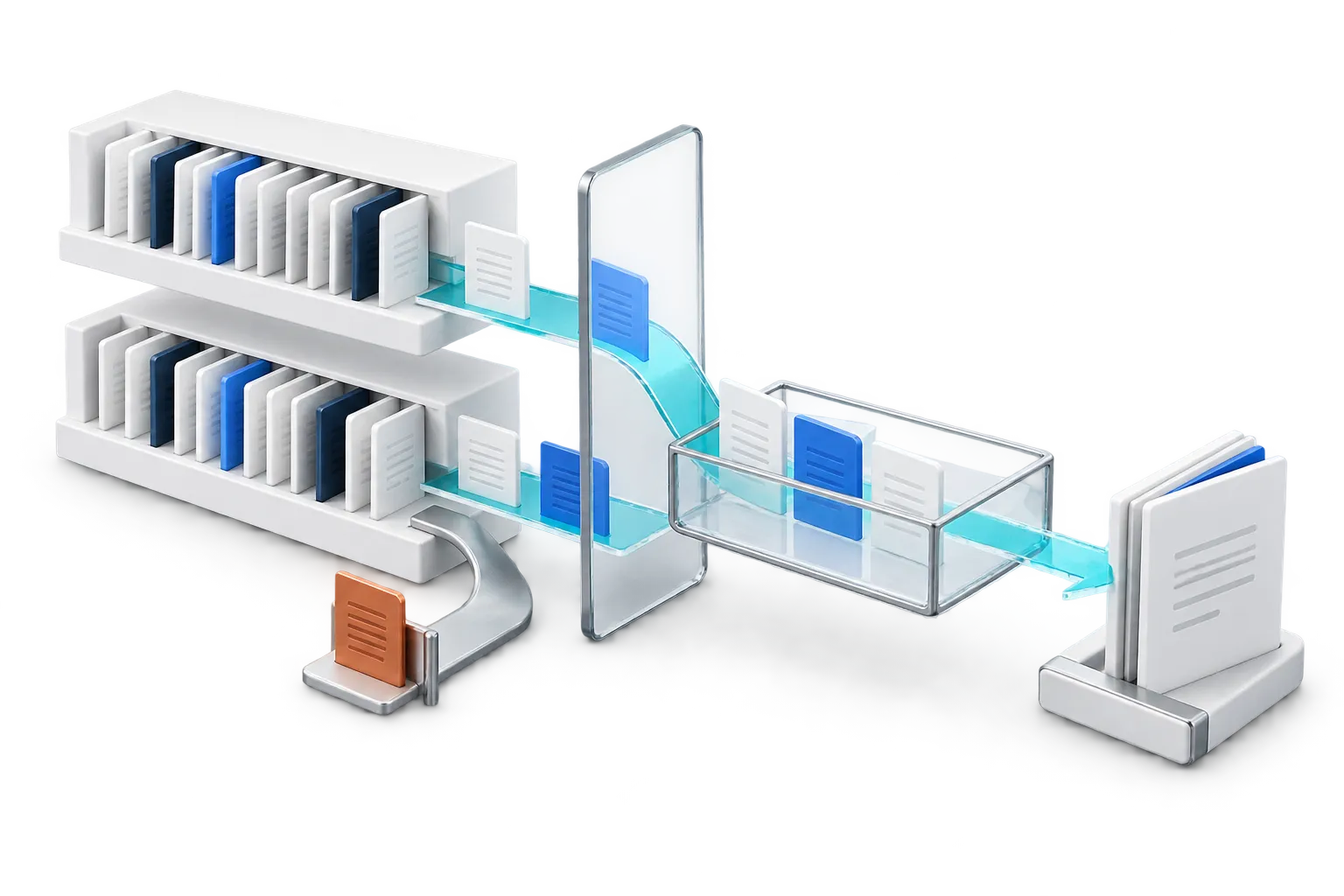
A technical retrieval workflow connects information sources and AI processing.
Review what enters the retrieval context.

Retrieval Security

RAG Security

Retrieval testing, prompt injection, and data leakage guidance for enterprise AI systems.

Topics Covered

  • Retrieval trust boundaries
  • Indirect prompt injection
  • Data leakage and security testing
Explore Guide
A structured technical reference visual accompanies common AI security questions.
Get clear answers to assurance questions.

Common Questions

AI Security FAQ

Short answers to common questions about agent security, red teaming, approvals, and evidence.

Topics Covered

  • Agent security and red teaming
  • Human approvals and ownership
  • Evidence and assurance decisions
Explore Guide
A controlled enterprise workflow connects agent capabilities with review boundaries and evidence.
See how assurance work is structured.

Enterprise Patterns

Enterprise Case Studies

Anonymous patterns from AI risk, red teaming, governance, and assurance work.

Topics Covered

  • Enterprise context and assessment scope
  • Control areas and deliverable patterns
  • Lessons that generalize without exposing customer details
Explore Case Studies

Bring us the system
you need to trust.

Start with a focused briefing. Leave with a clearer assurance path.

Request a Briefing
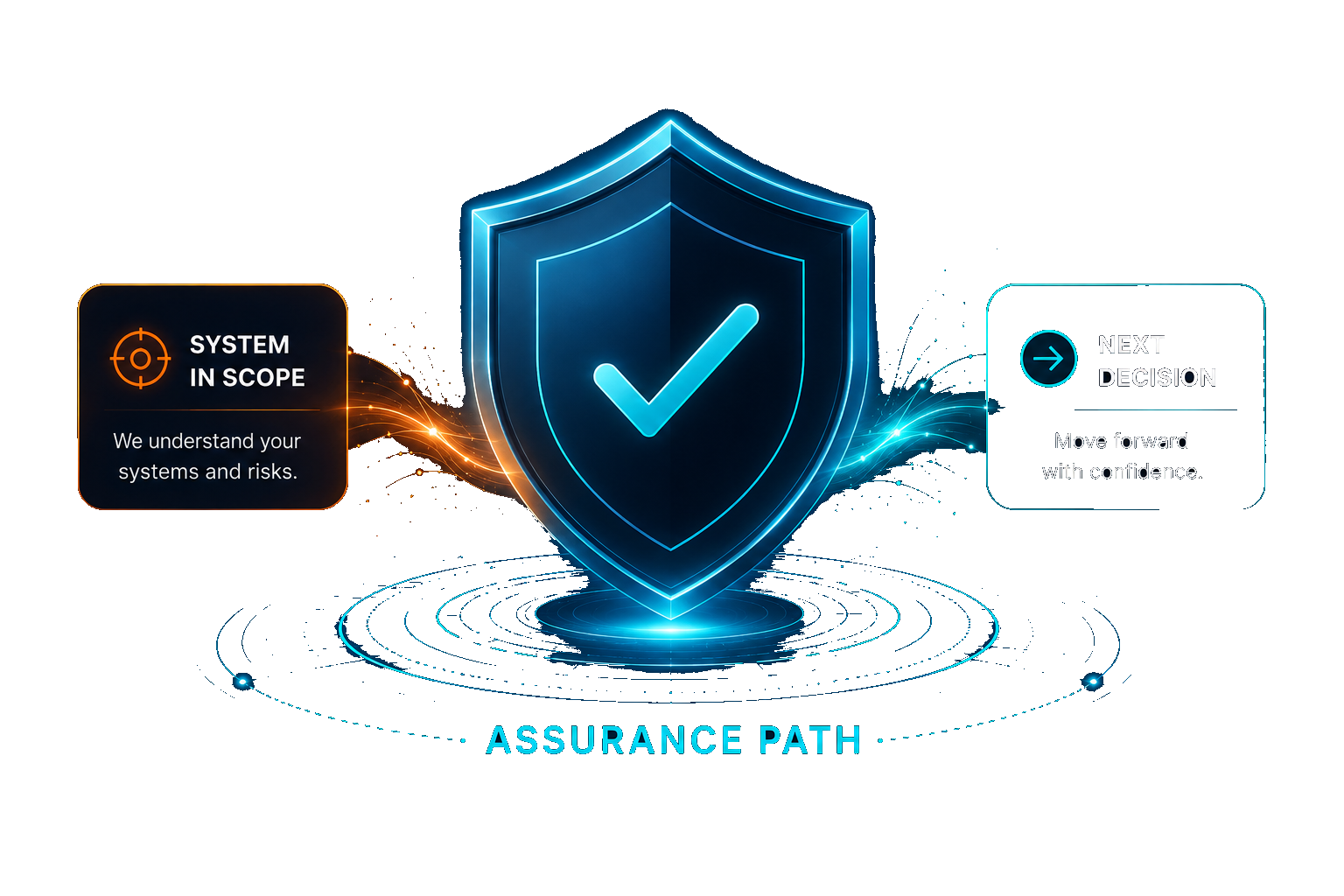
An assurance path connects a system in scope to a confident next decision through protected, reviewable controls.