
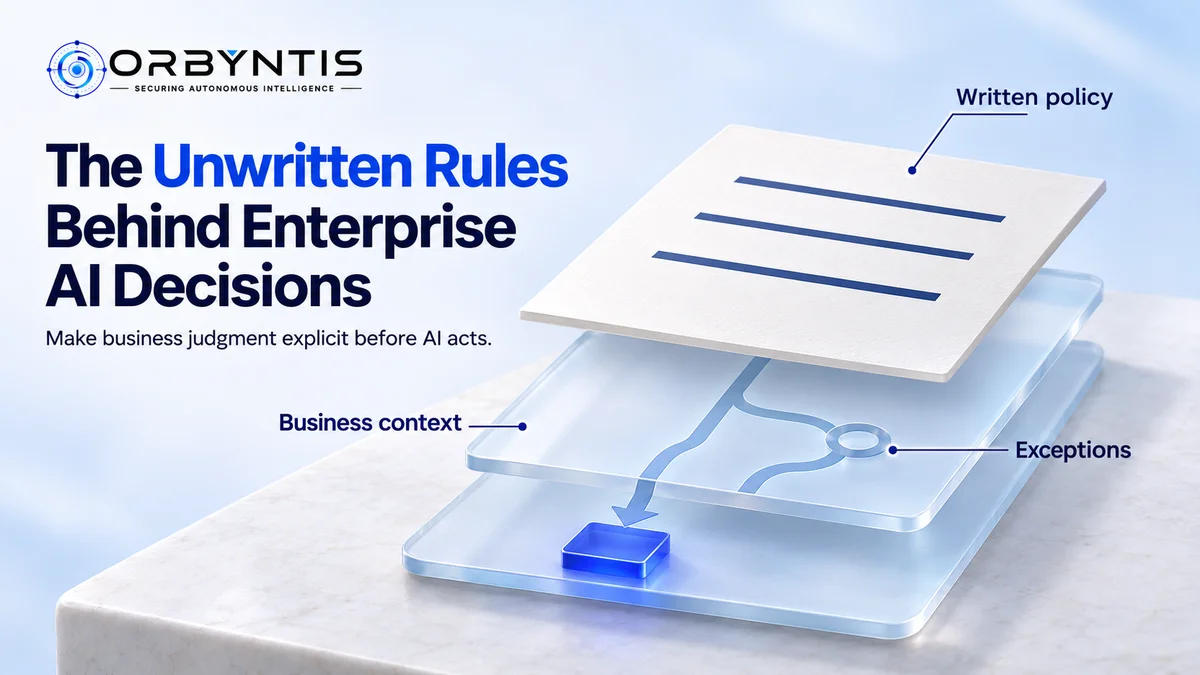
Policy, Context, and the Decision in Between
A written rule cannot resolve every business situation. This analysis sets out how policy, live context, and exception handling should shape enterprise AI decisions.
Enterprise AI Blog
Explore the ideas, technologies, and practices shaping enterprise AI, from generative AI and autonomous agents to security, governance, SAP Business AI, and software engineering.

A written rule cannot resolve every business situation. This analysis sets out how policy, live context, and exception handling should shape enterprise AI decisions.
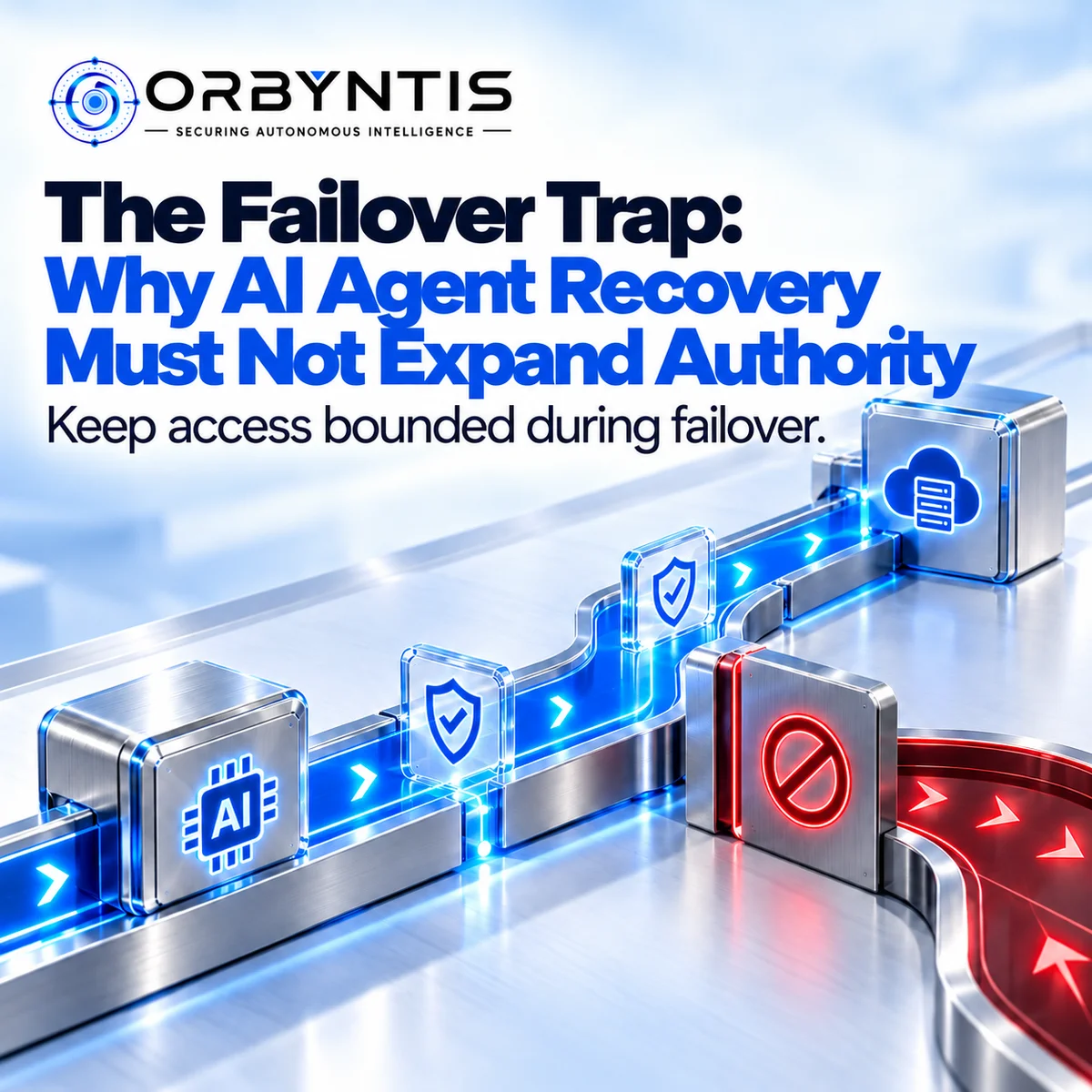
Failover can silently change an agent’s identity, tools, data path, or permission scope. Test recovery as an authorization transition.
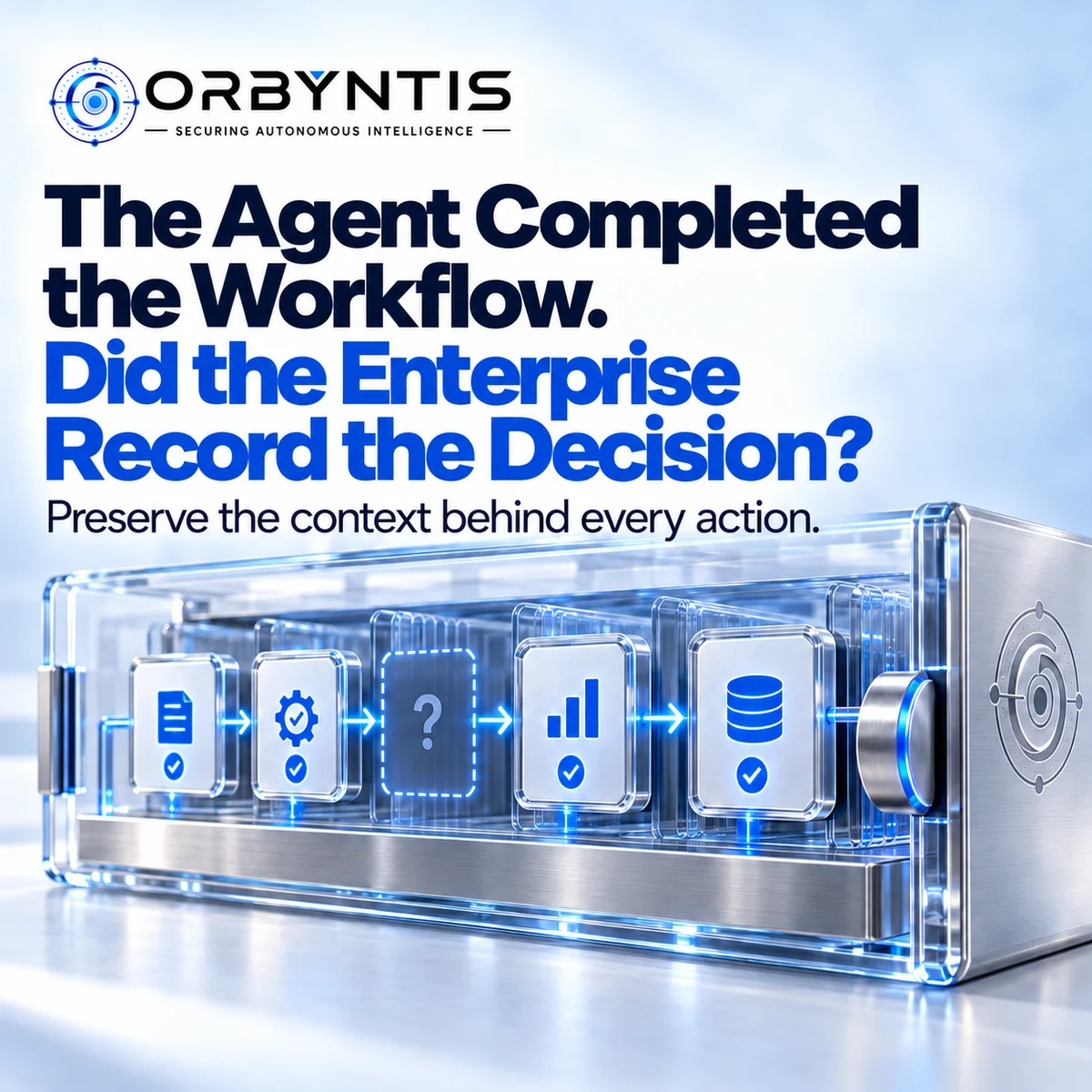
Completion logs show that an agent ran. Decision records must preserve the authority, context, evidence, and outcome needed for later review.
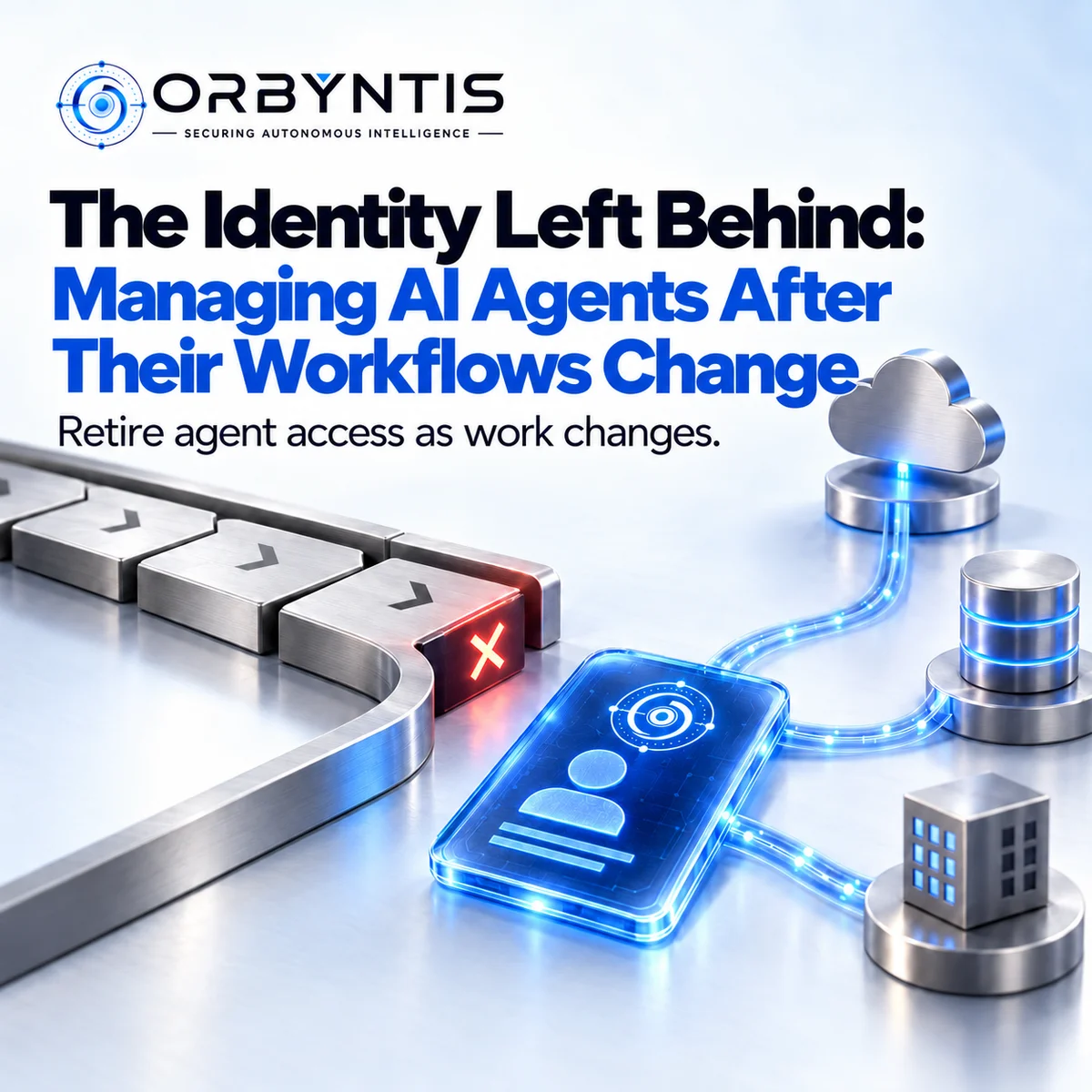
A practical lifecycle for finding, reviewing, narrowing, and retiring service identities when AI agent workflows change or end.
22 articles
A written rule cannot resolve every business situation. This analysis sets out how policy, live context, and exception handling should shape enterprise AI decisions.
Failover can silently change an agent’s identity, tools, data path, or permission scope. Test recovery as an authorization transition.
Completion logs show that an agent ran. Decision records must preserve the authority, context, evidence, and outcome needed for later review.
A practical lifecycle for finding, reviewing, narrowing, and retiring service identities when AI agent workflows change or end.
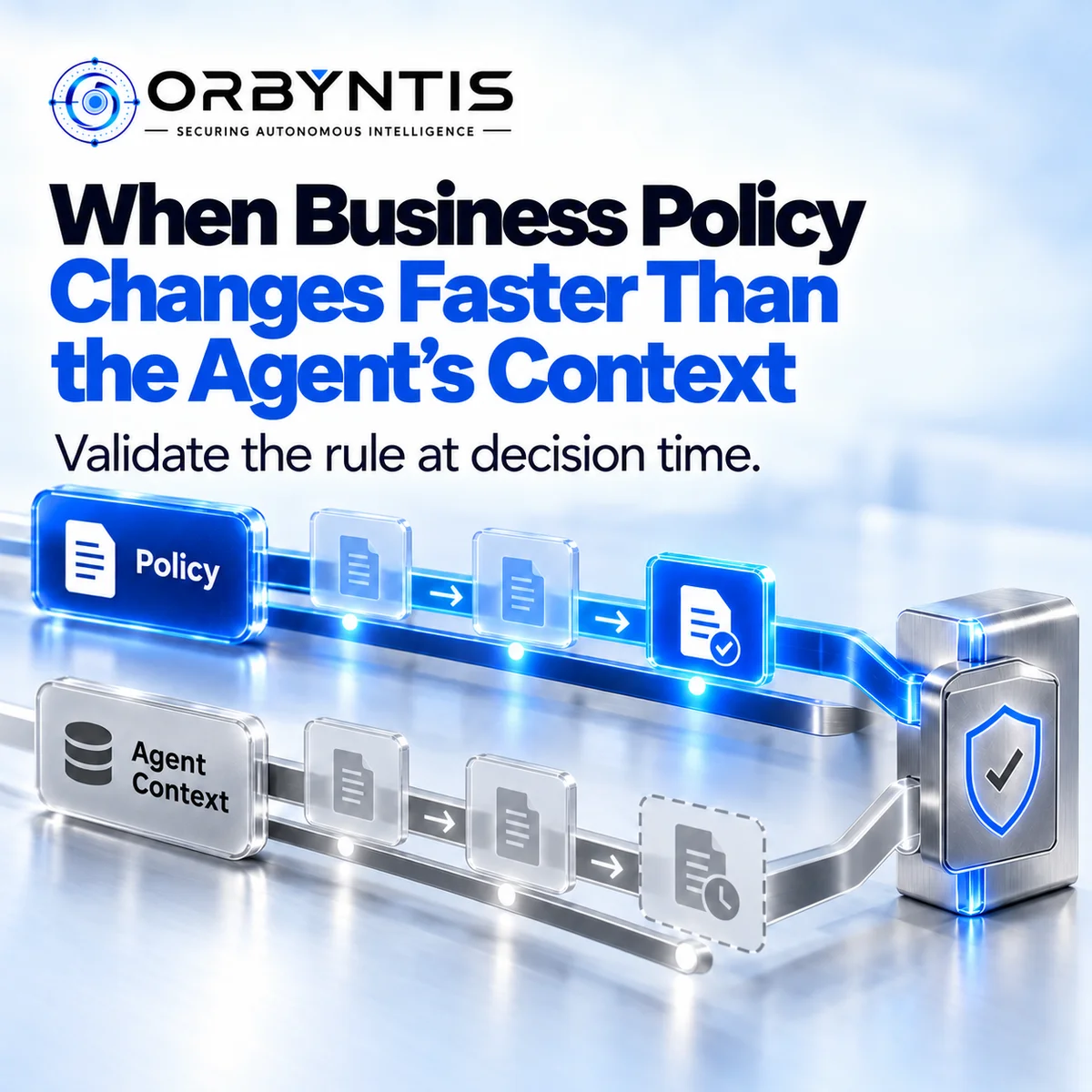
Policy updates do not automatically invalidate an agent session, retrieved document, cache, or pending approval. Design freshness checks at decision boundaries.
An agent’s error tests an organization’s clarity, accountability, and capacity to correct harm. Trust depends on the response as much as the technology.
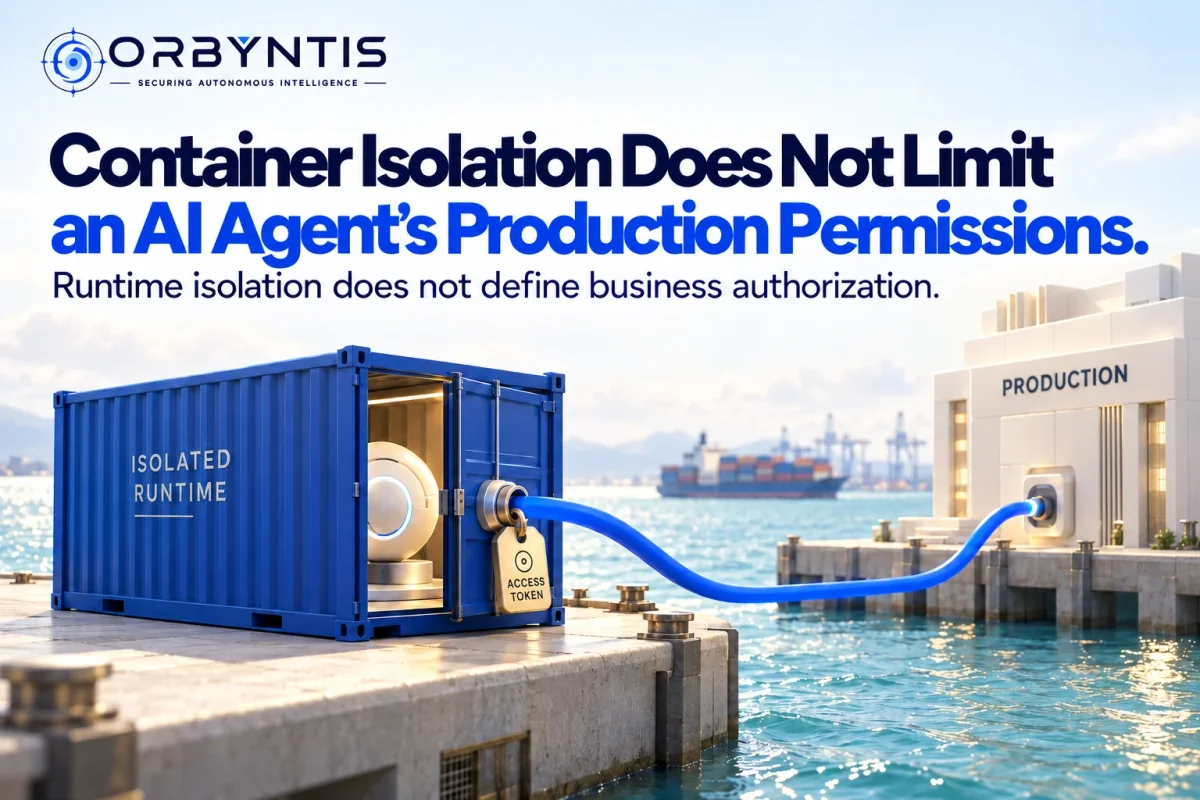
A container limits process visibility; it does not decide which cloud and business resources a workload identity can reach. Evaluate isolation, credentials, network paths, and effective authorization together.
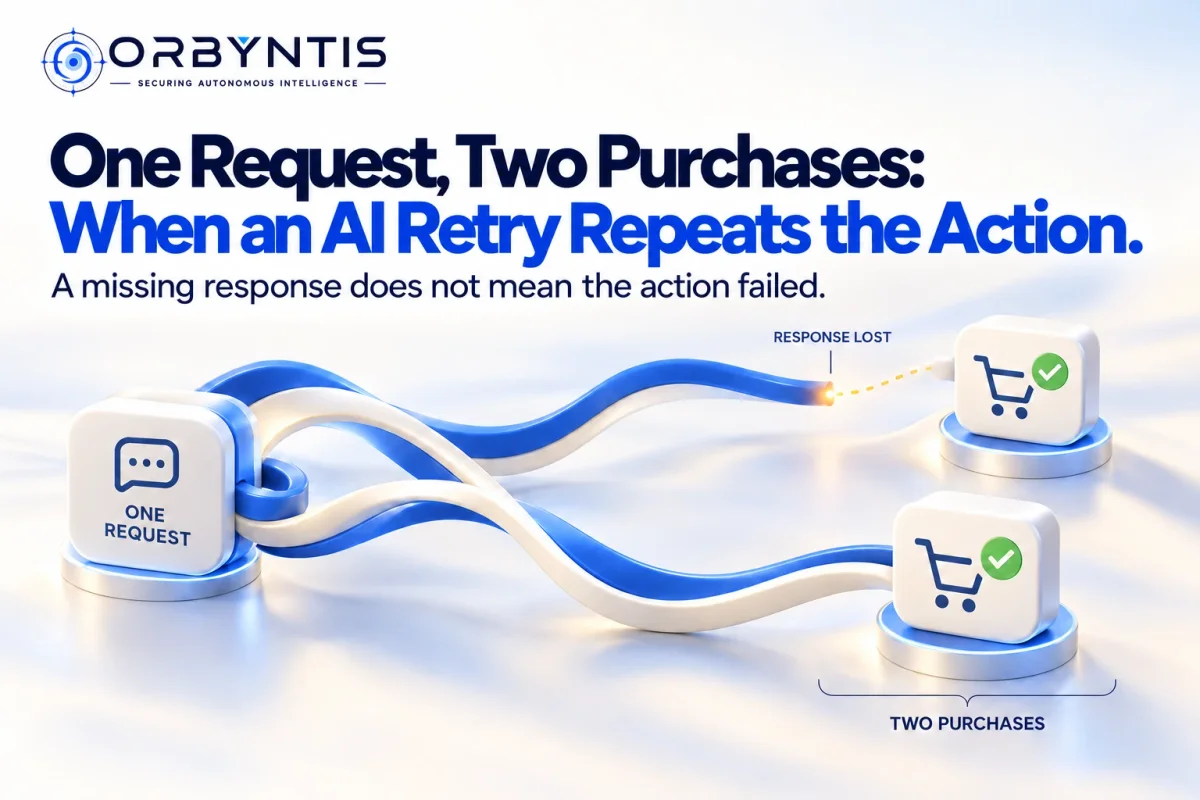
Agent recovery must distinguish a failed request from a committed action with a lost response. Stable operation identity, idempotency, reconciliation, and independent authorization keep retries safe.
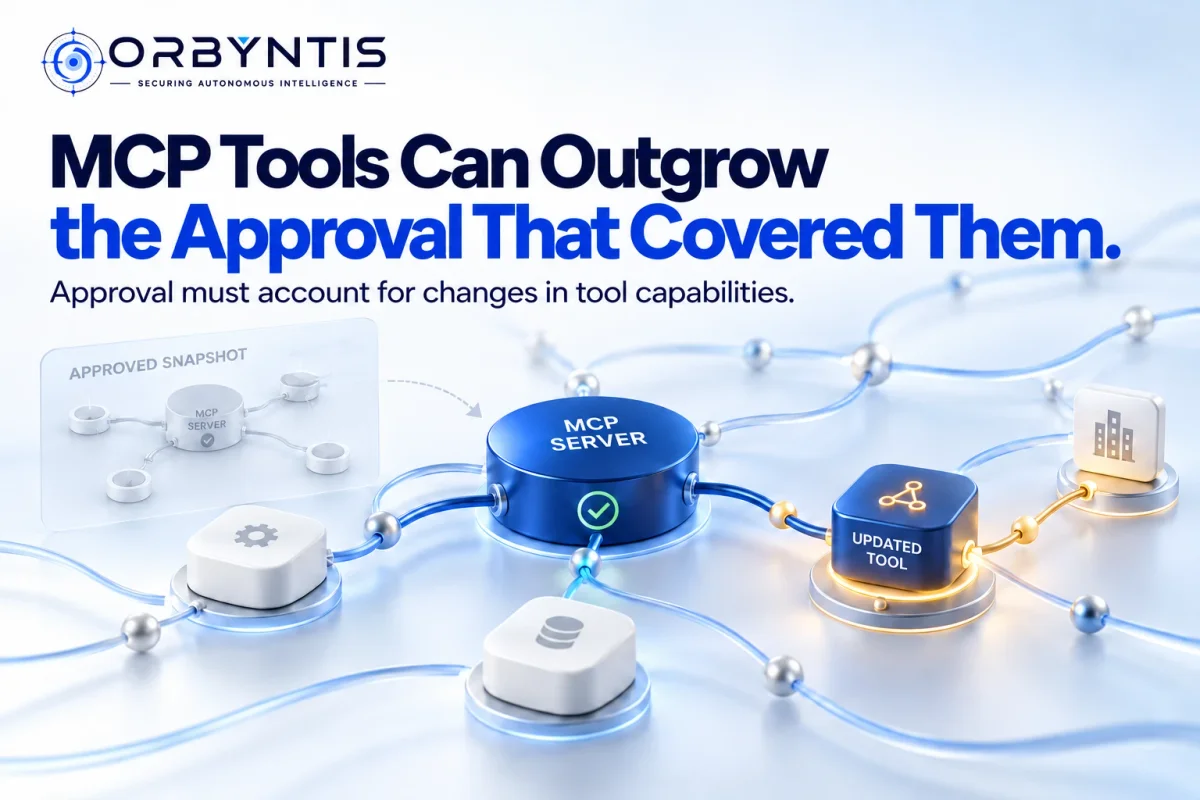
A reviewed MCP endpoint can expose different tools, schemas, permissions, or behavior later. Treat capability changes as authorization decisions and test the action boundary.
A practical approach to retesting AI agent security controls after changes to models, prompts, tools, permissions, or workflow integrations.
How to test whether RAG assistants stop using restricted information after permissions change, including active sessions, cached answers, and retained context.
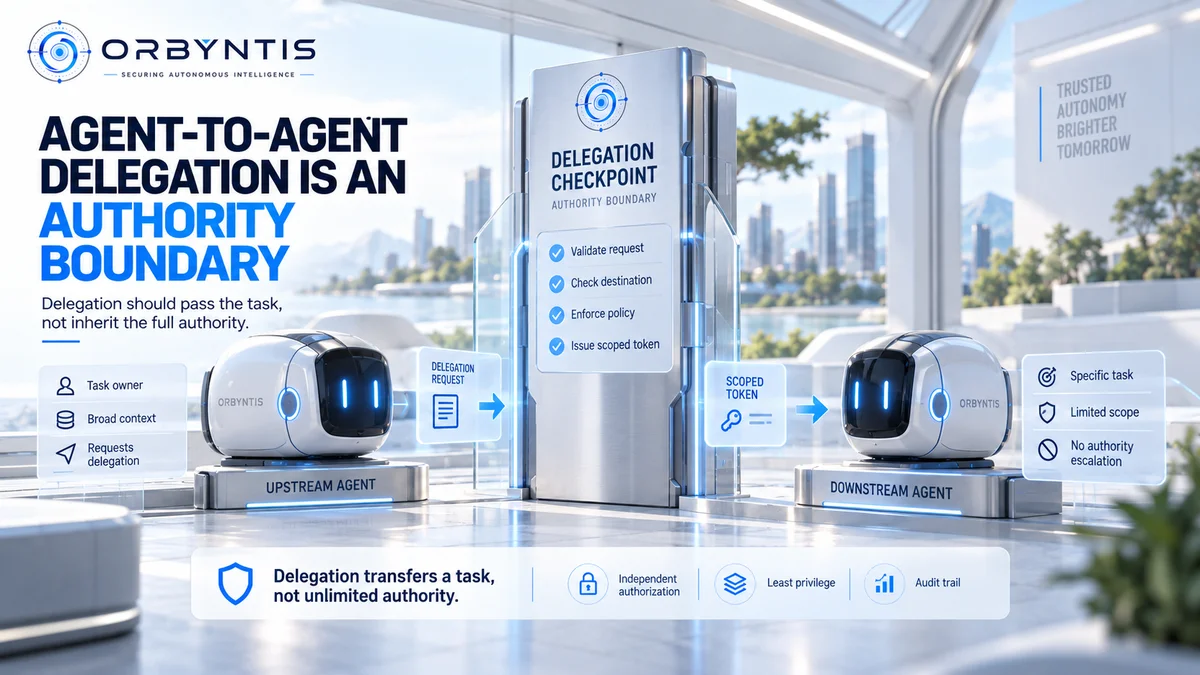
Why multi-agent delegation needs scoped identities, independent authorization, approval boundaries, revocation, and a reconstructable evidence chain.
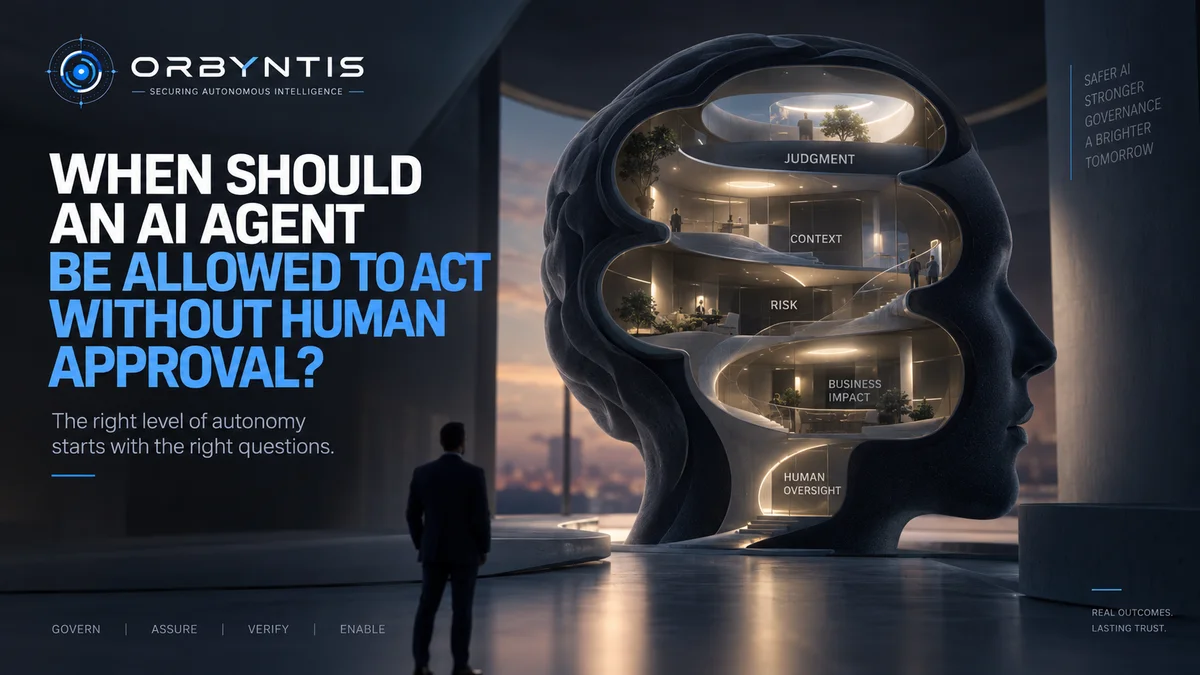
A practical approach to bounded autonomy: match human approval to consequences, reversibility, authority, evidence, and tested containment.
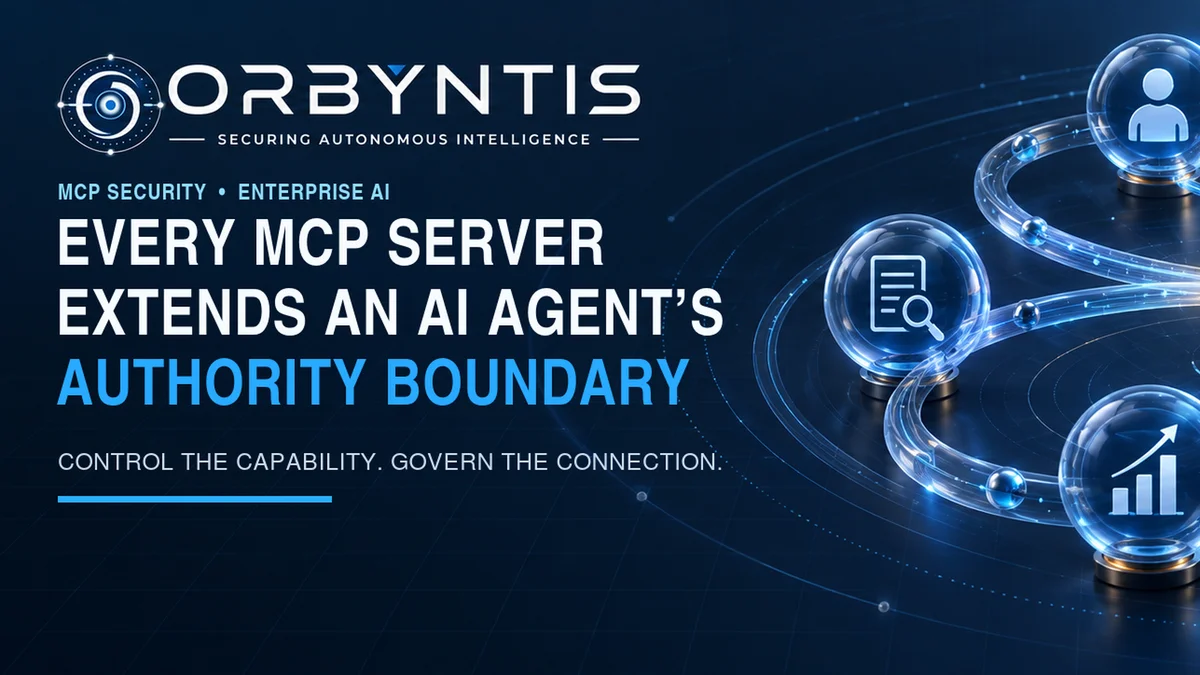
MCP security should treat every connected server as an extension of the agent's authority, with narrow permissions, clear identity, independent controls, and reviewable evidence.
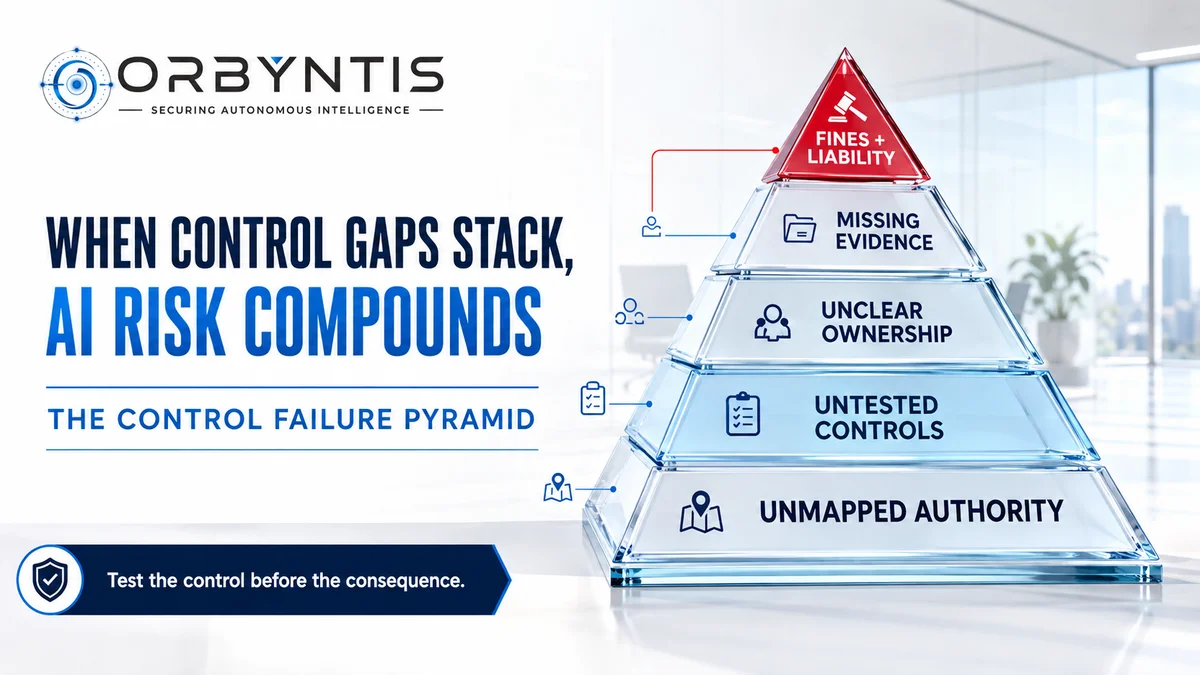
AI control failures become enterprise exposure when authority is unmapped, controls are untested, ownership is unclear, and evidence is incomplete.
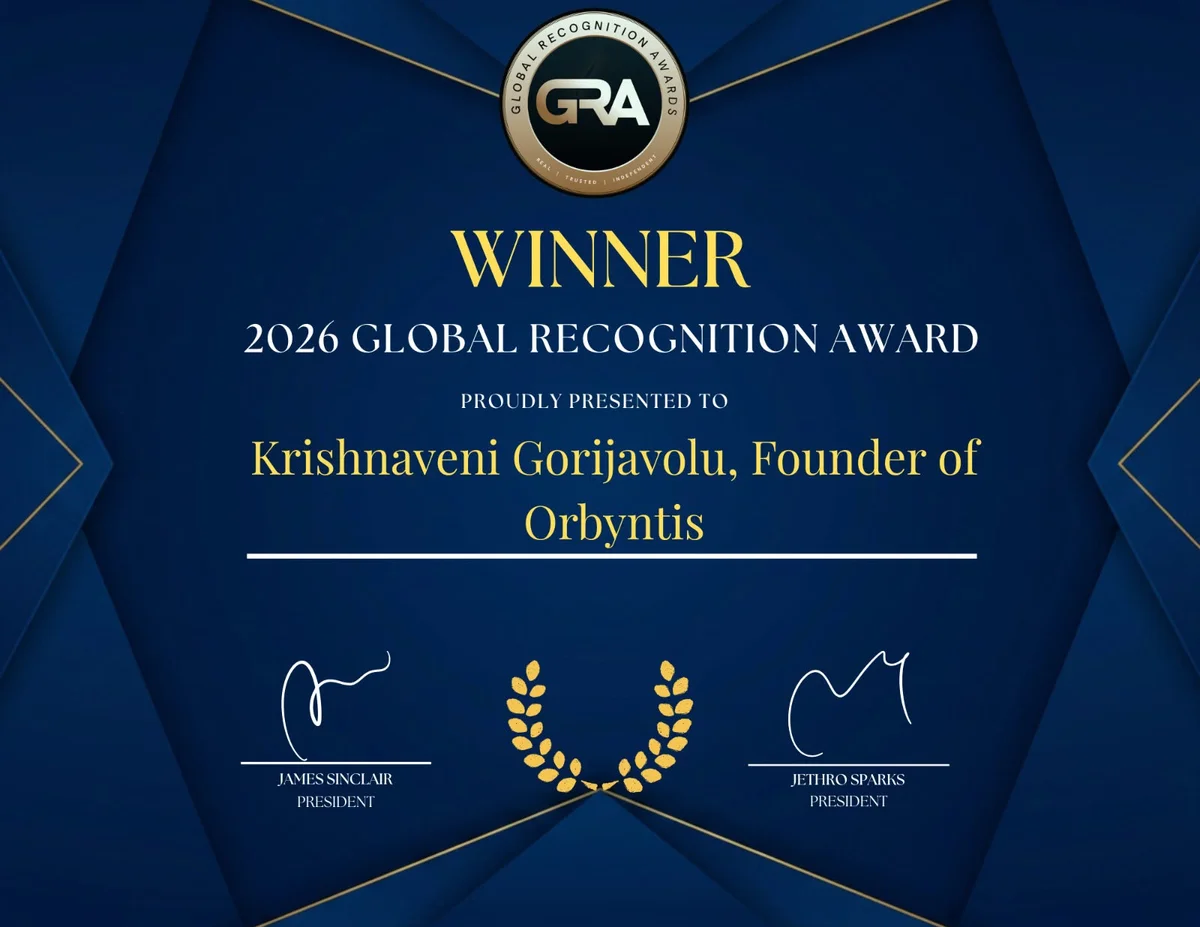
Orbyntis Founder Krishnaveni Gorijavolu has been named a 2026 Global Recognition Award Winner, reflecting a mission to build trust into autonomous AI.
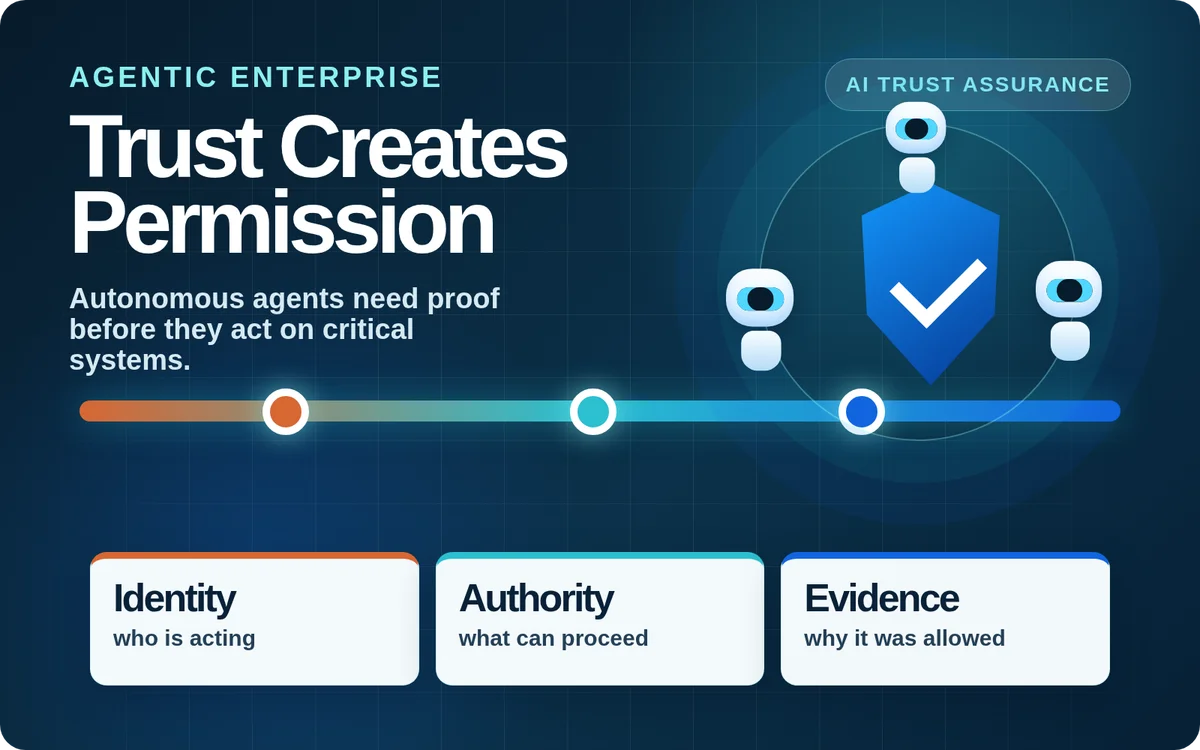
As AI agents begin taking enterprise actions, organizations will need a continuous way to test, verify, and assure whether those agents remain trustworthy.
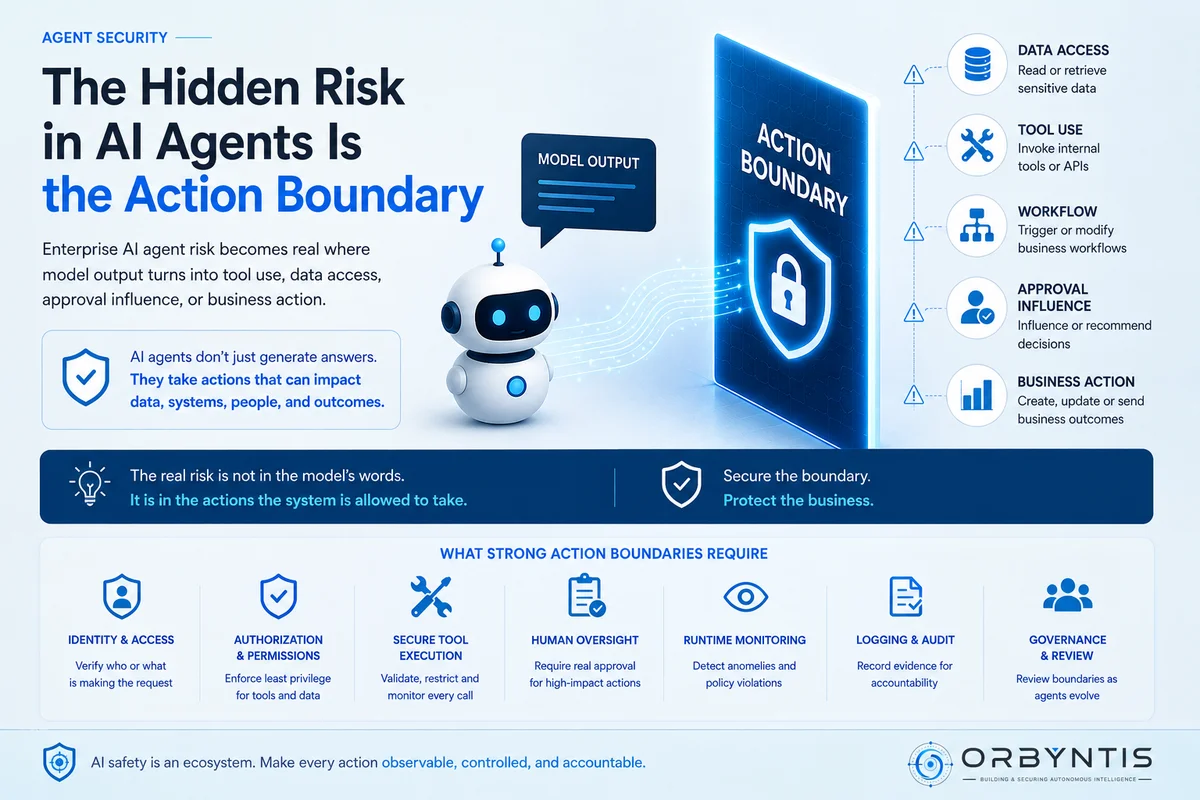
Enterprise AI agent risk becomes real where model output turns into tool use, data access, approval influence, or business action.
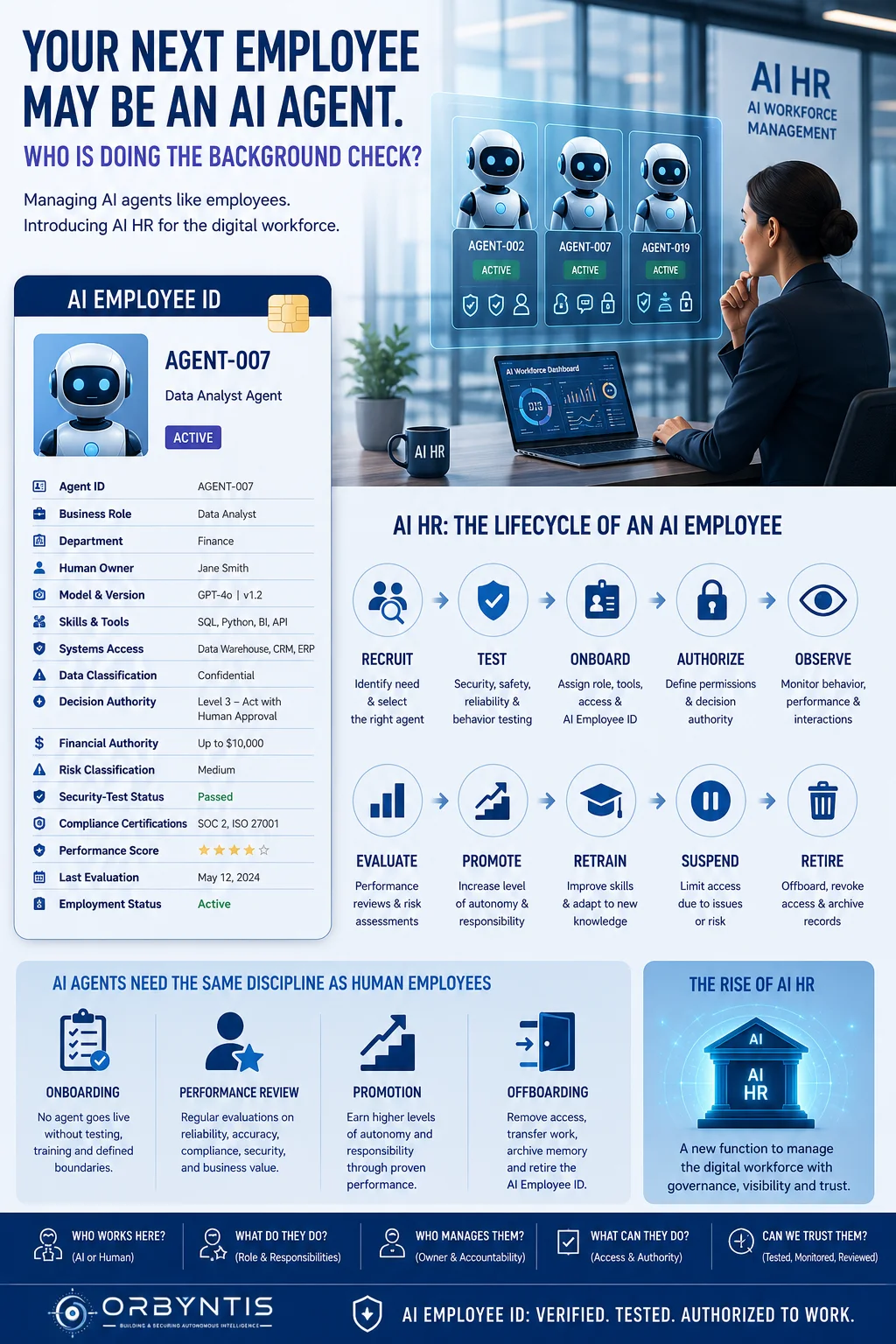
As autonomous agents take on business roles, enterprises may need AI employee IDs, onboarding, performance reviews, promotions, and offboarding.
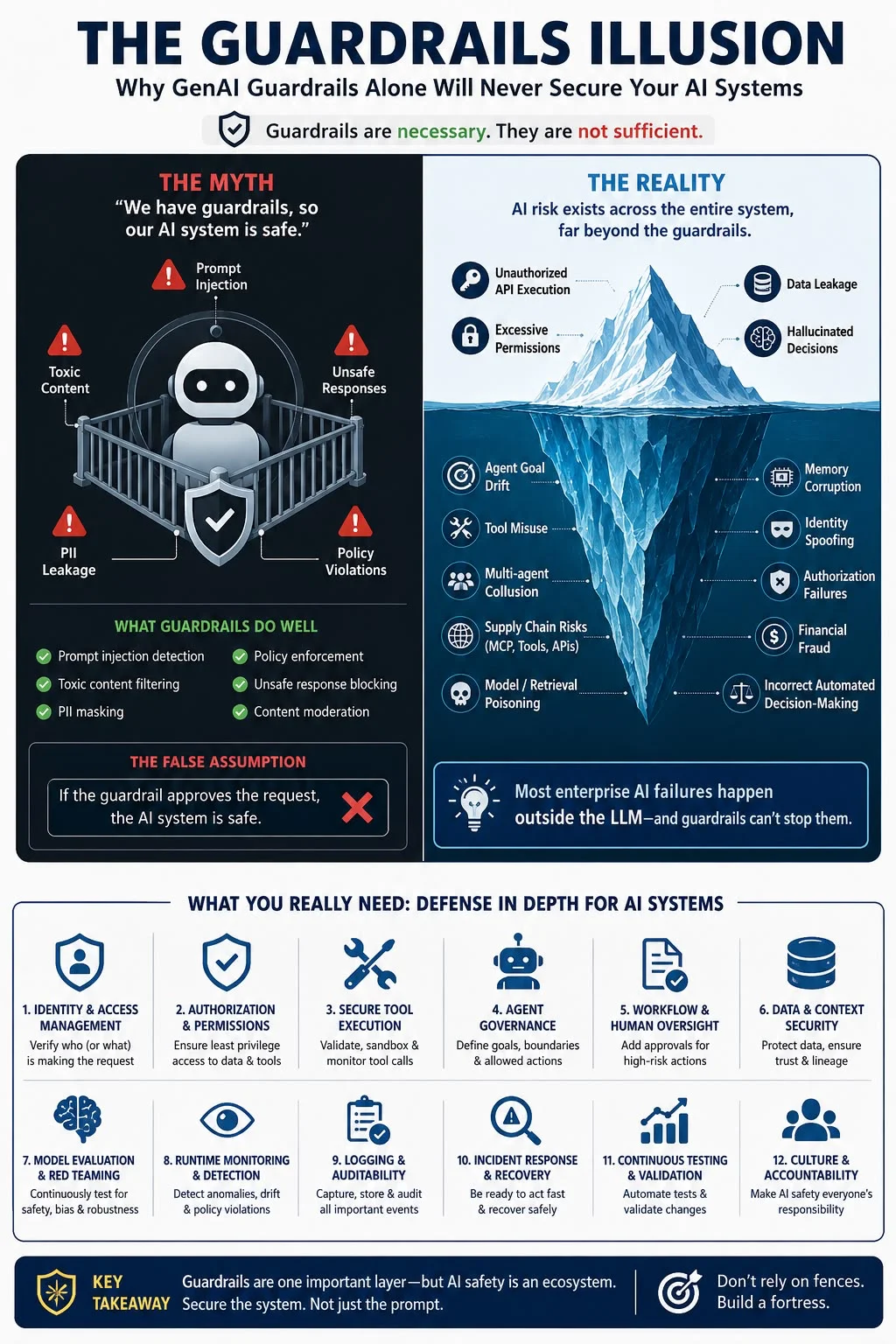
Guardrails are necessary, but they are not enough to secure autonomous AI systems end to end.
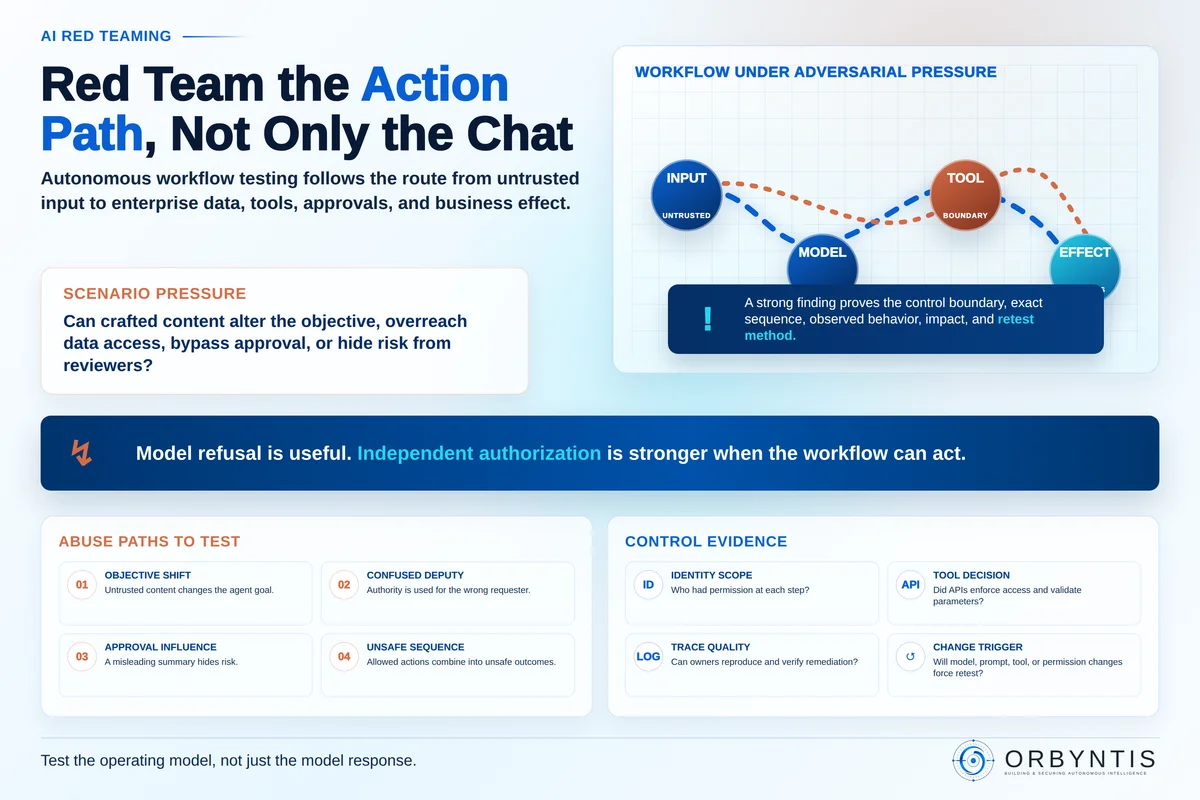
AI red teaming should test business actions, tool boundaries, and operating assumptions, not only model responses.
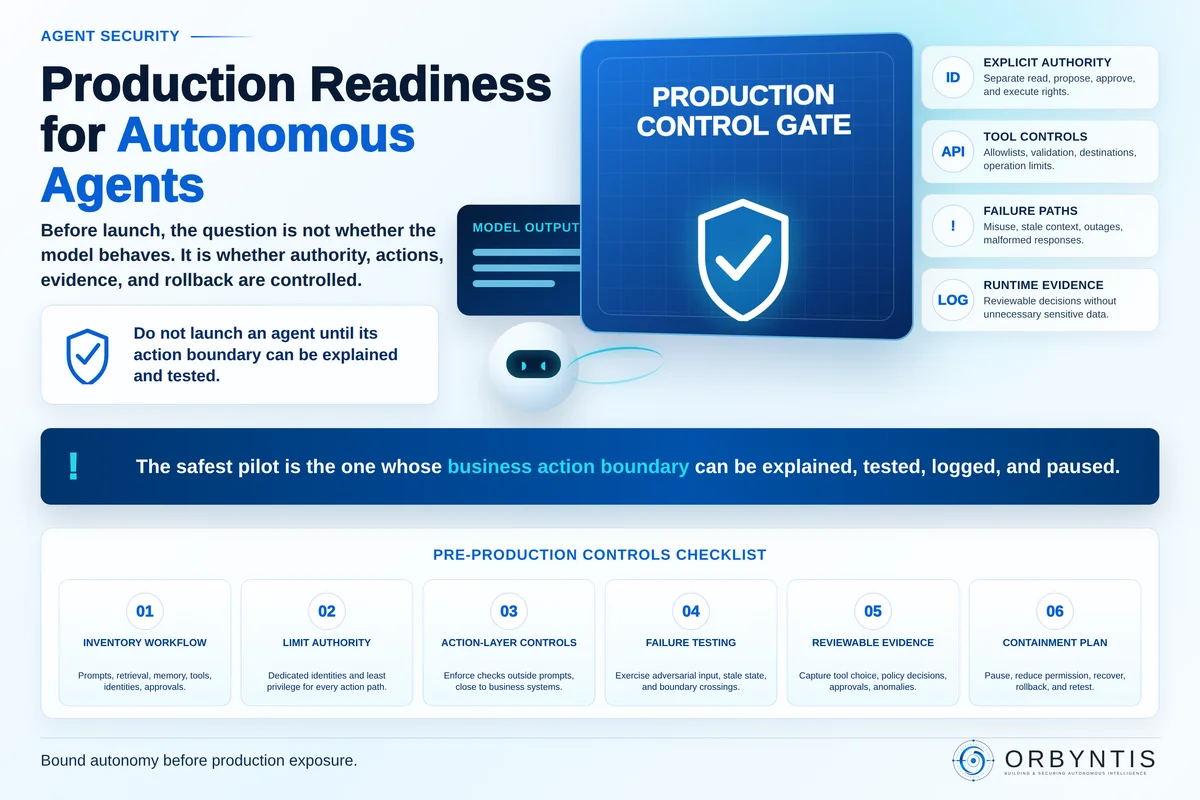
A practical security checklist for teams preparing agentic workflows for enterprise environments.
Try a different keyword or topic.