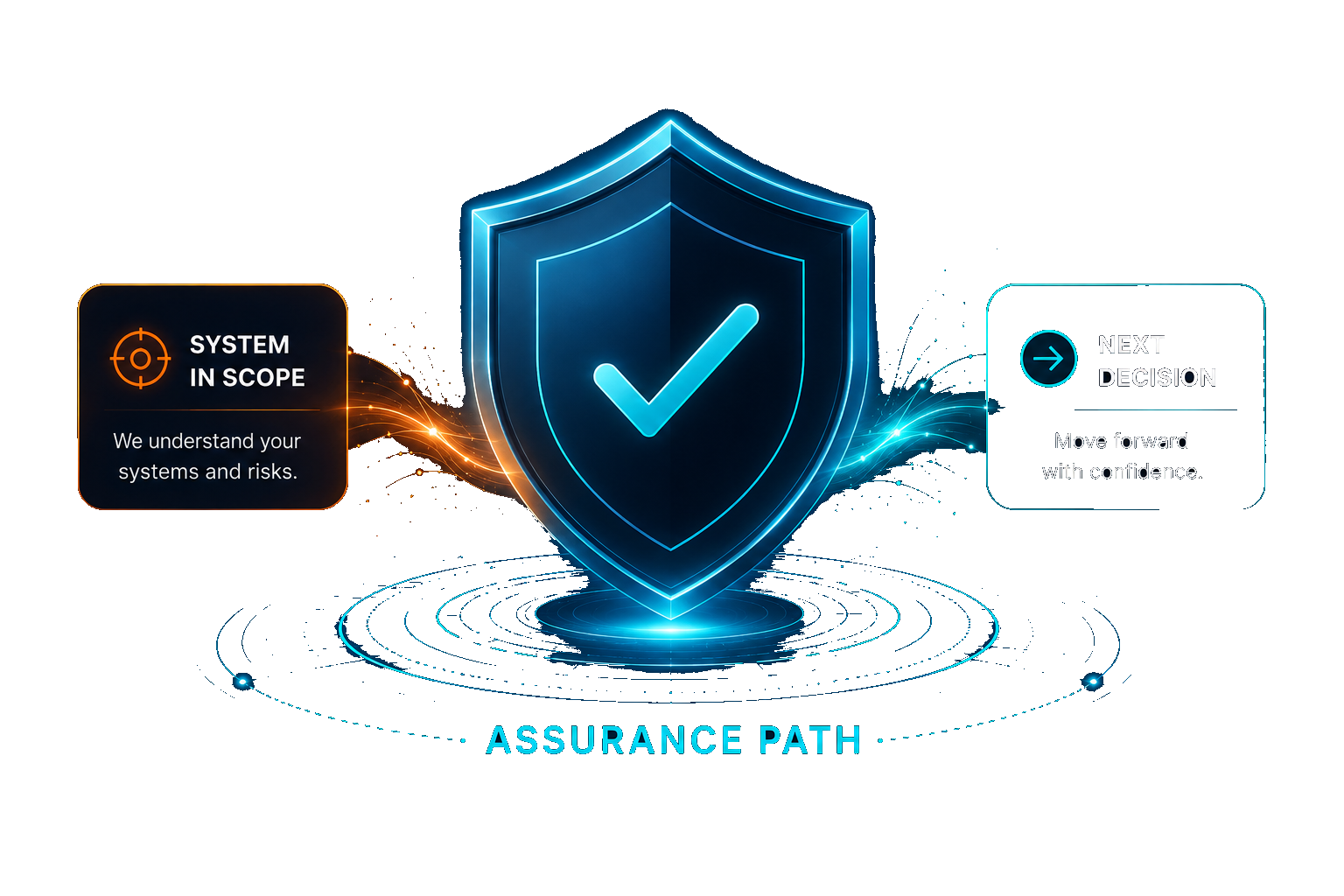
Prompt Injection
Instructions cross a trust boundary.
Enterprise AI Security & Assurance
Orbyntis helps CIOs, CISOs, and technology leaders make agent authority visible, controls testable, and every critical action reviewable.
Approved Technology Partners


Guided Exposure Check
Answer from the perspective of the highest-impact agent you operate or plan to deploy.
Directional Exposure Index
Threat Exposure Map
Select any combination. The map shows exposure paths to review—it does not claim that a selected platform is vulnerable.
Select a platform or capability to begin.
Instructions cross a trust boundary.
External content influences agent behavior.
A valid tool is used outside intended purpose.
Actions change systems without a sufficient gate.
Sensitive context reaches an unintended destination.
Stored context changes later decisions.
Delegated authority exceeds the initiating scope.
Action ownership becomes ambiguous.
Agent rights exceed least privilege.
Policy behavior is intentionally bypassed.
External models, tools, or content alter trust.
Server authorization and tool scope need review.
Tool metadata or behavior becomes hostile.
Critical actions cannot be reconstructed.
What Changes Before AI Acts
Three questions matter before an autonomous system reaches production.
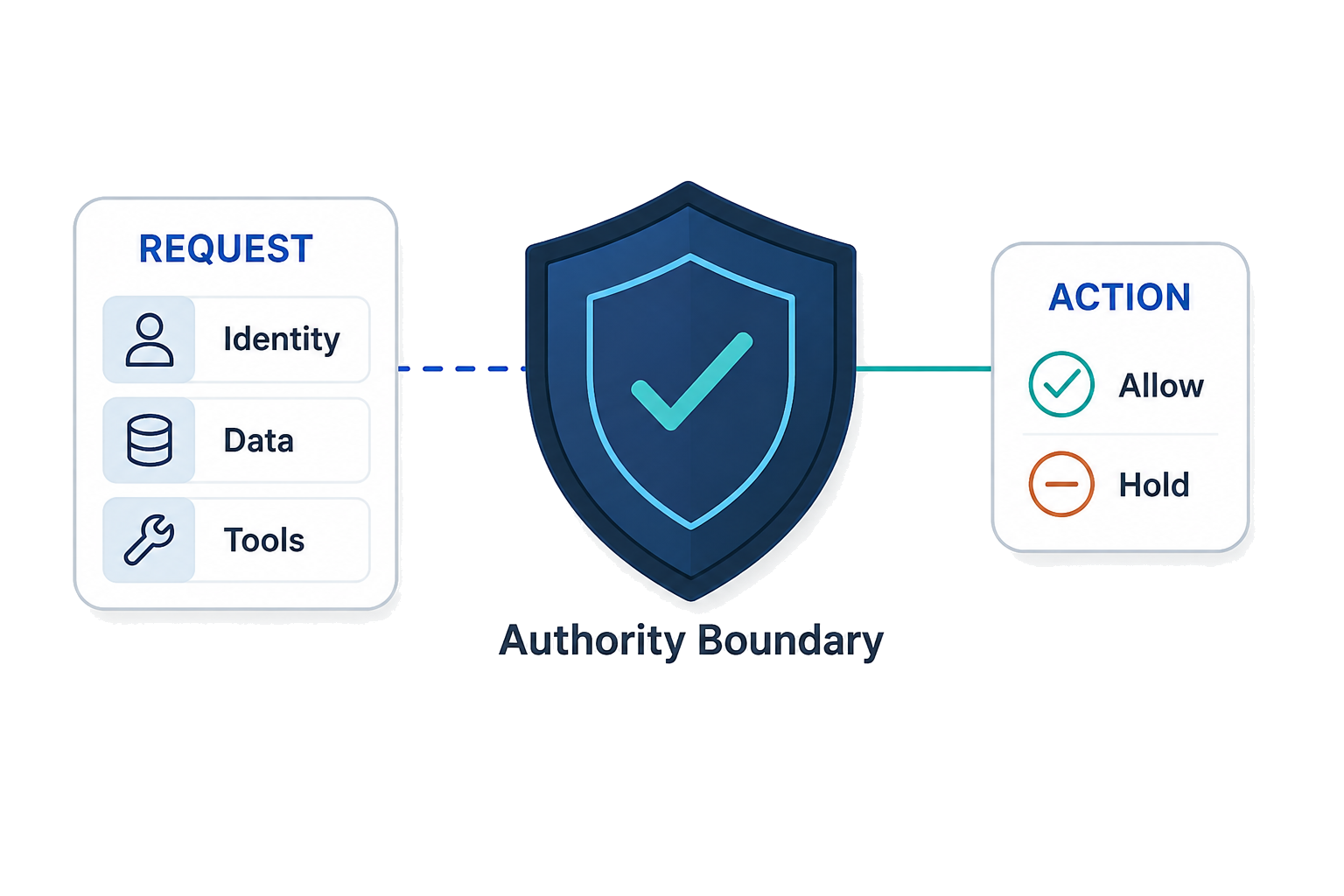
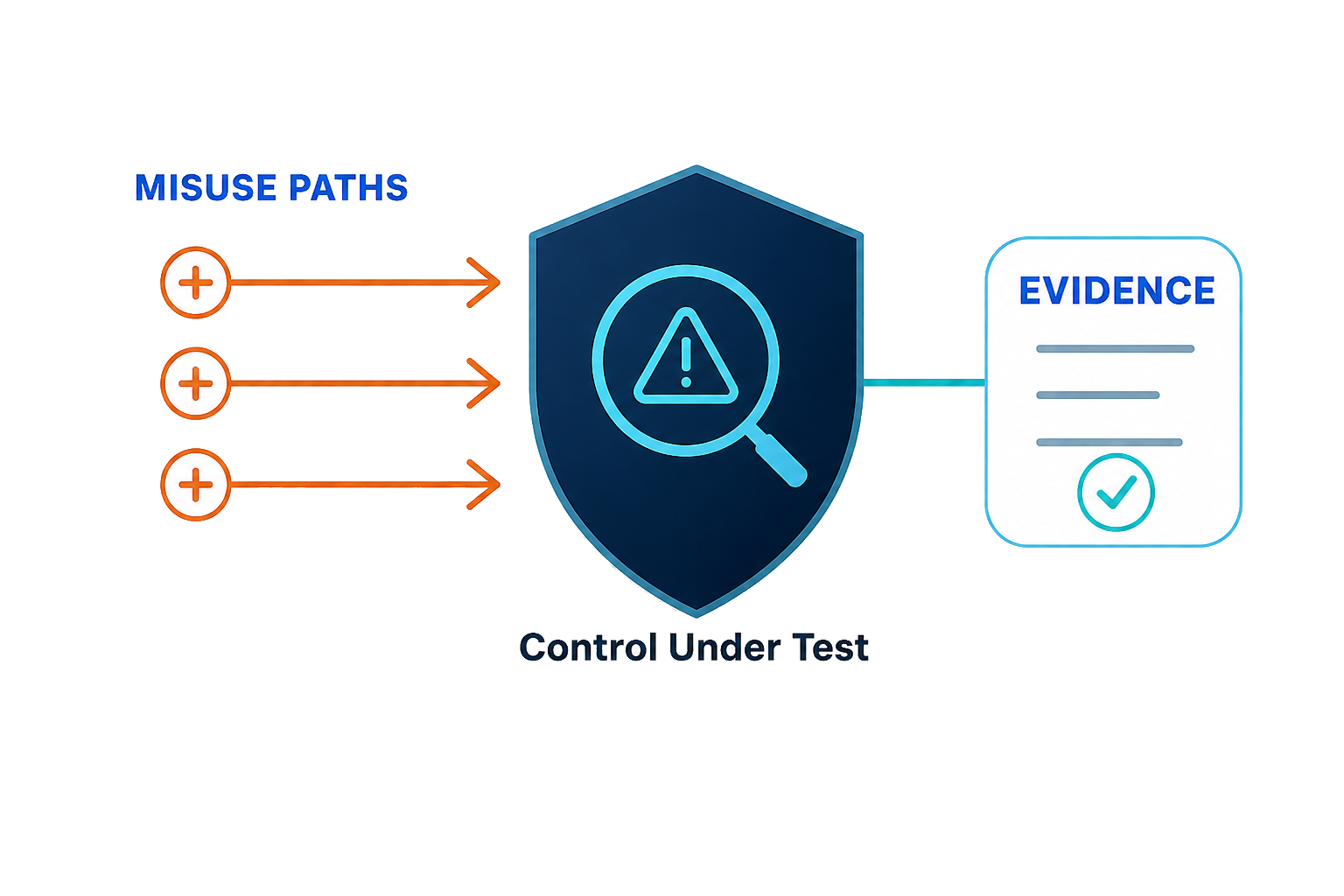
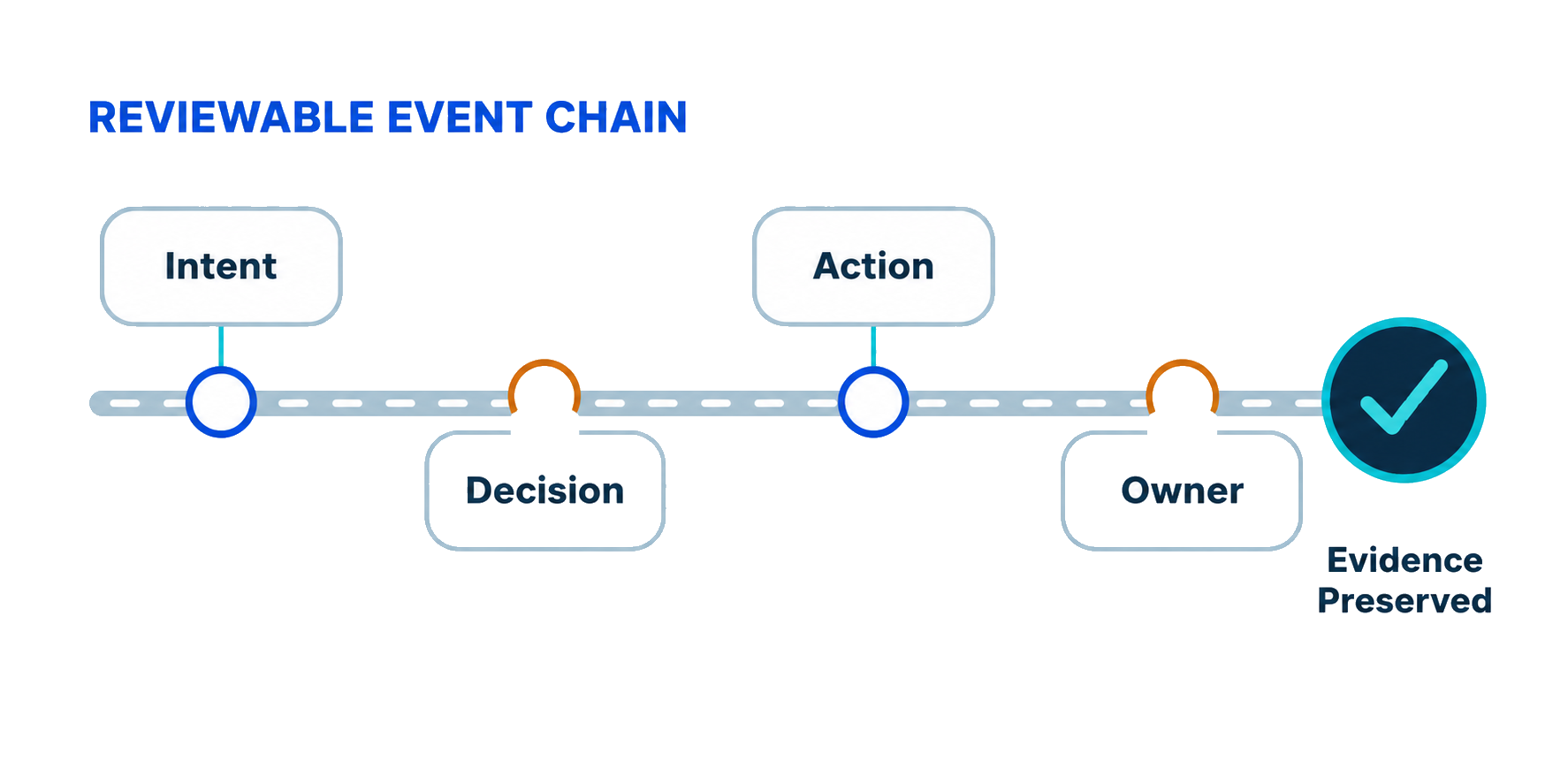
Map permissions, tools, memory, identity, and action boundaries—then test where control can fail.
Explore AgentShieldOrganize the evidence created through assessment, validation, and operational review.
Explore Evidence VaultConnect AI actions to clear decision rights, review points, and accountable operating roles.
Explore GovernBring repeatable control validation into the delivery path before higher-risk changes move forward.
Explore CI GateSupport runtime review and response around sensitive tools, actions, and business workflows.
Explore Runtime GuardServices
Explore only the service relevant to your immediate risk.
AI Engineering
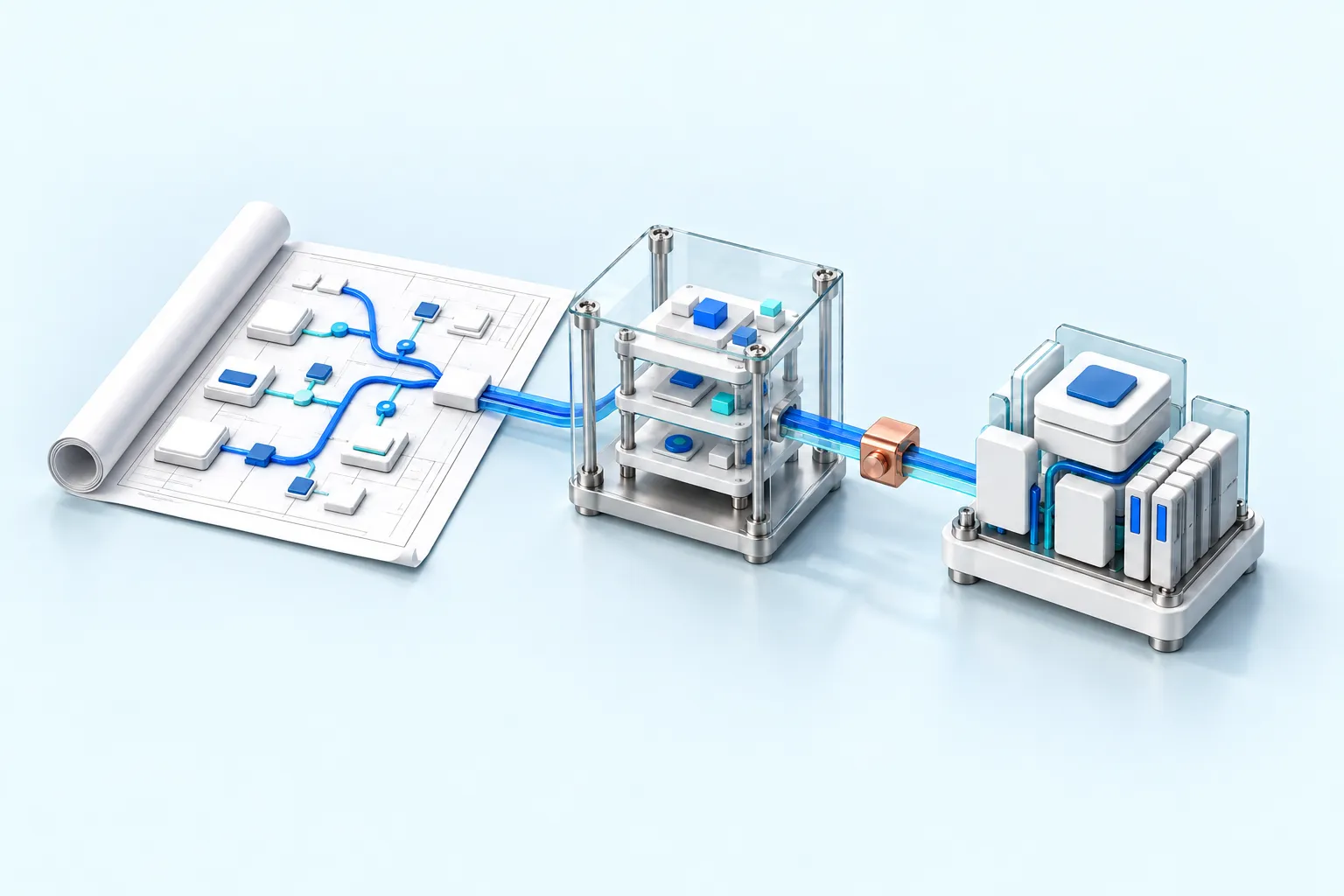
Plan and engineer enterprise AI workflows with clear security boundaries, operating controls, and production-readiness criteria.
A working AI pilot still needs explicit data boundaries, approval paths, and production acceptance criteria.

AI Security Testing
Test AI agents and autonomous workflows for prompt injection, tool misuse, data exposure, control bypass, and unsafe business actions.
Model-only tests can miss prompt injection, tool misuse, and approval bypass across the complete action chain.

Agent Security
Assess AI agent permissions, tools, memory, context, identity, approvals, and runtime controls before business-critical deployment.
An agent's identities, tools, memory, and integrations can give it more authority than its owners expect.

Secure Engineering
Engineer security-conscious AI applications, integrations, automation, and remediation for enterprise environments.
Assessment findings need reliable implementation across application logic, identity, APIs, and review interfaces.

AI Governance
Translate enterprise AI risk into accountable governance, operational evidence, monitoring, and compliance-ready review practices.
Policies need defined owners, observable controls, and evidence from the systems they govern.
How It Works
Orbyntis work starts by making the agent boundary explicit, then turns risk into engineered controls, validation evidence, and operating ownership.
Assess
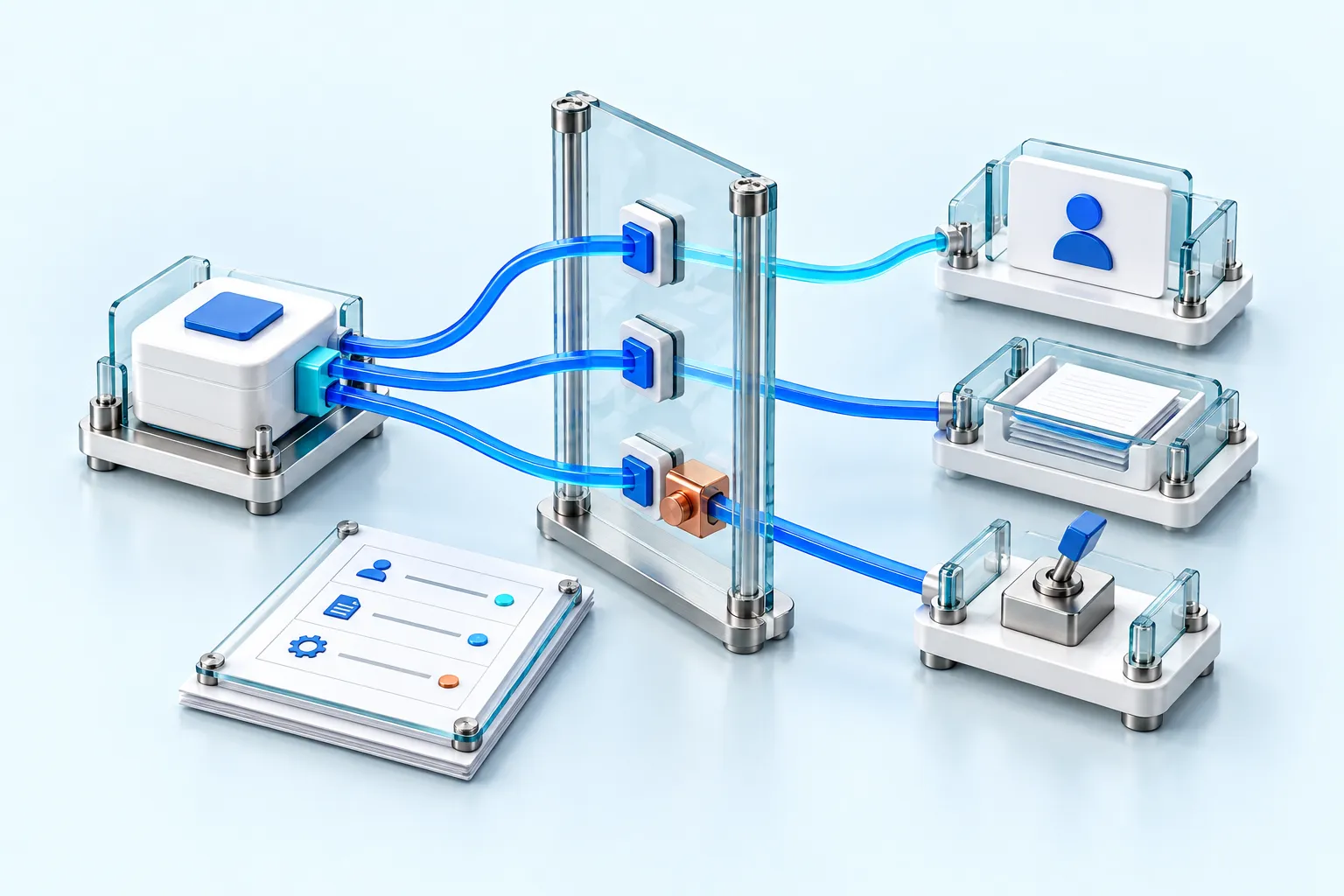
Define the agent, users, identities, data, tools, approvals, and business actions in scope.
Workflow boundary and authority inventory
Threat Model
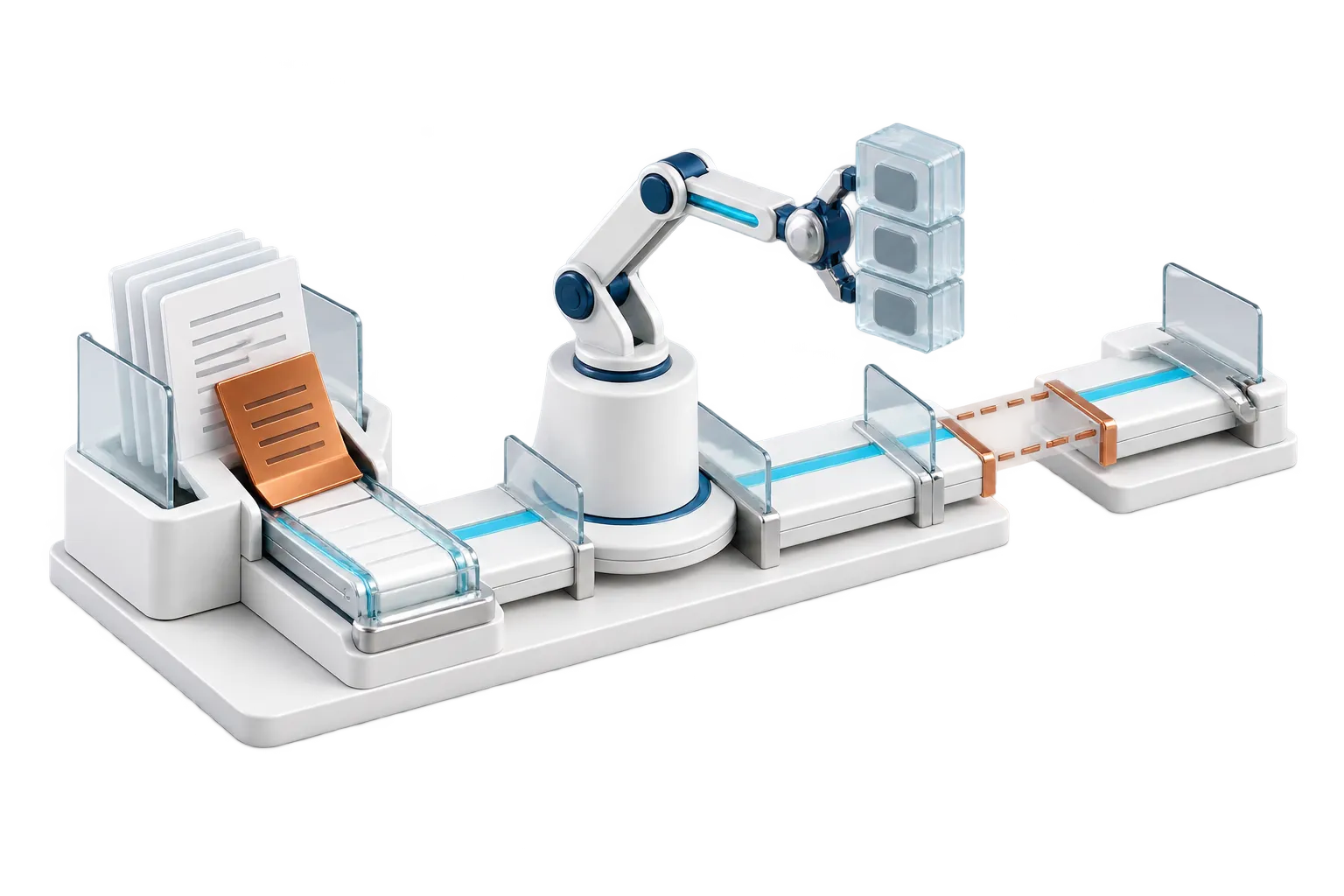
Connect prompt, context, identity, tool, and approval risks to business impact.
Threat scenarios and control assumptions
Engineer
Place deterministic checks around sensitive actions instead of relying only on model behavior.
Control plan and remediation backlog
Validate
Exercise realistic failure paths and confirm controls hold under adversarial or degraded conditions.
Test evidence and validation results
Operate
Keep ownership, logging, containment, and reassessment tied to material workflow changes.
Operating cadence and evidence trail
Learn AI Security
Use these evergreen guides to understand autonomous AI threats, agent security decisions, enterprise patterns, and common assurance questions.
Agent Foundations
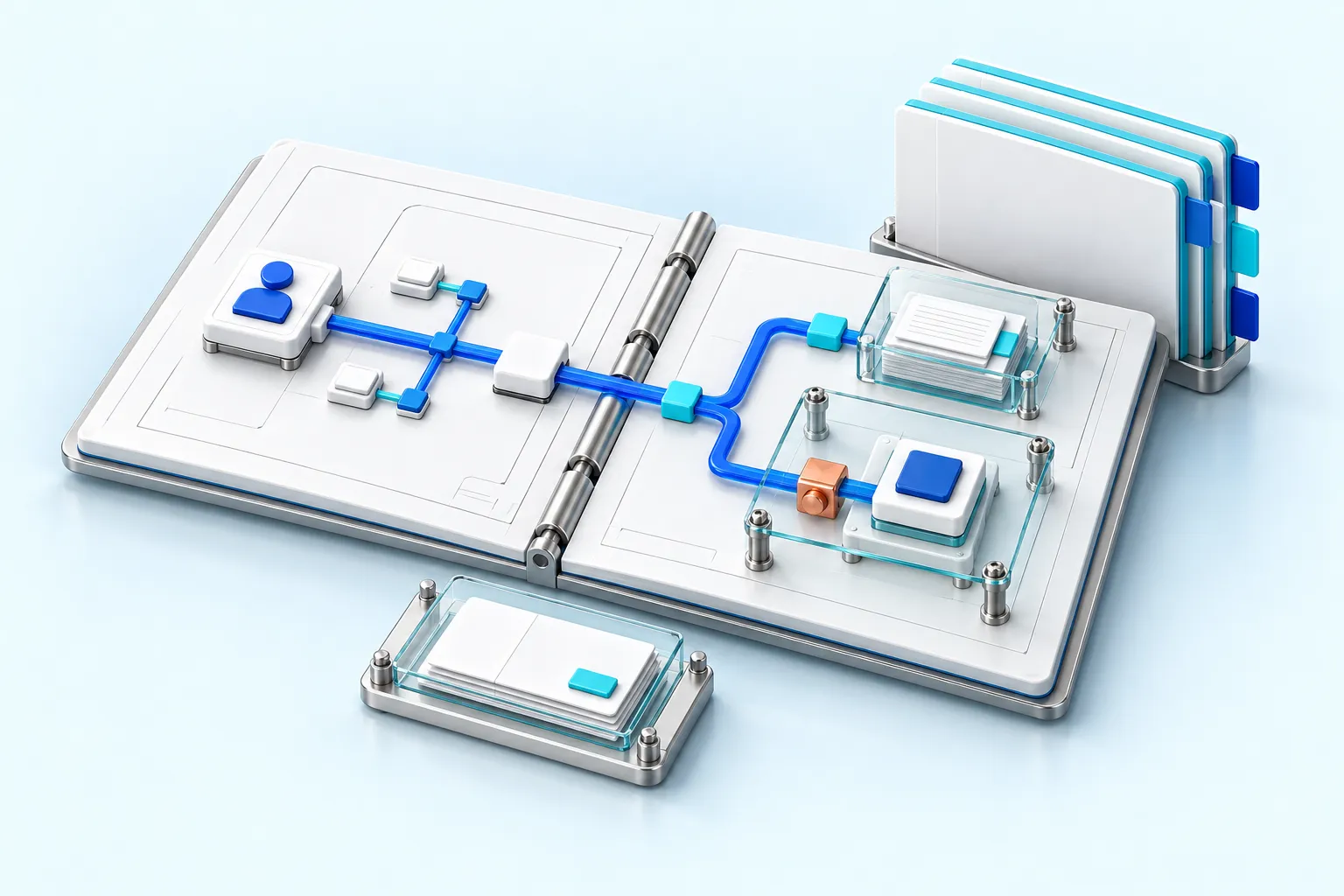
A practical hub for authority, tools, identity, context, controls, and runtime evidence.
Threat Research
Threat families for agentic workflows, mapped to business impact and control questions.

Connected Tools
Server, tool, testing, prompt injection, and data exposure guidance for MCP-connected agents.
Retrieval Security
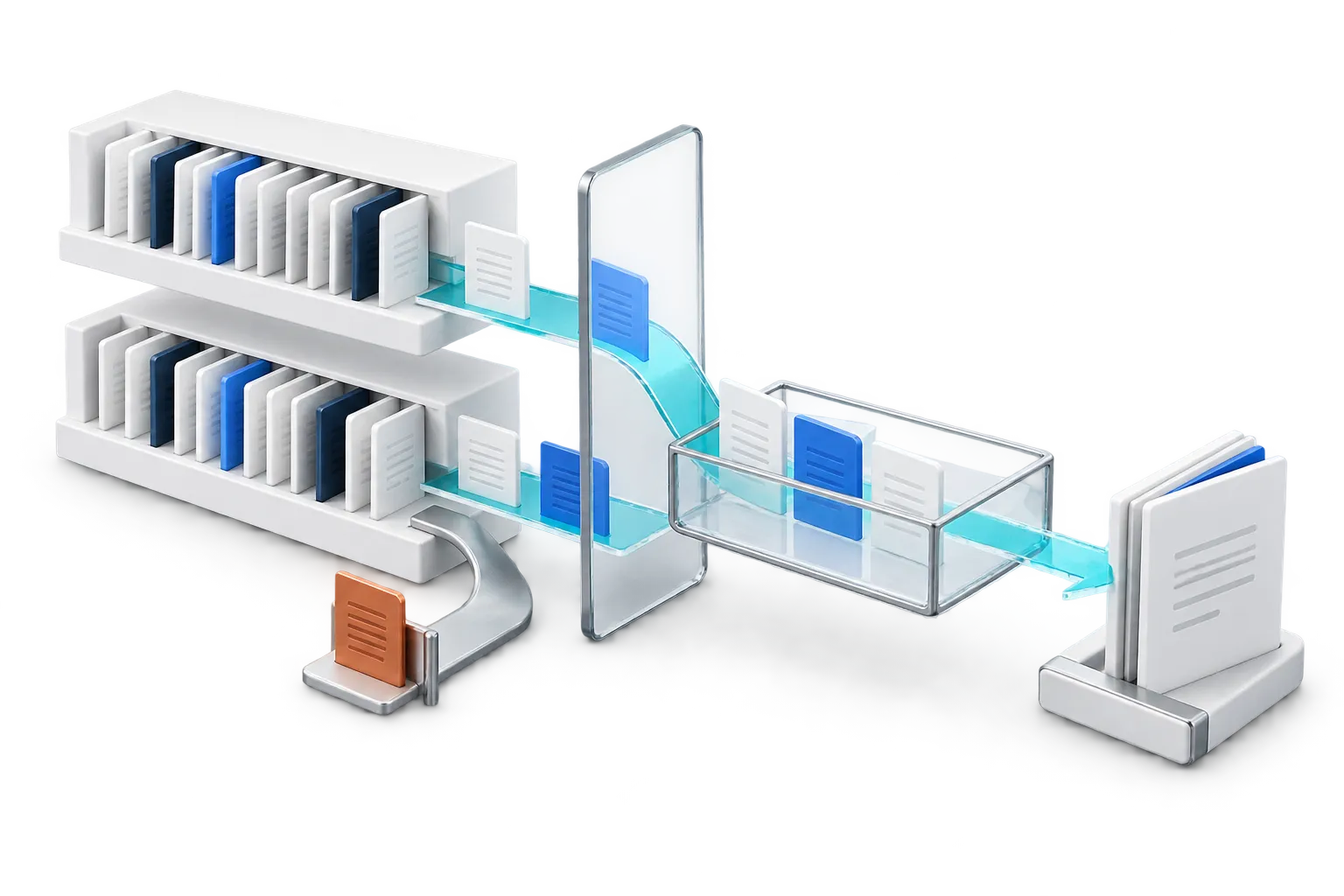
Retrieval testing, prompt injection, and data leakage guidance for enterprise AI systems.

Common Questions
Short answers to common questions about agent security, red teaming, approvals, and evidence.

Enterprise Patterns
Anonymous patterns from AI risk, red teaming, governance, and assurance work.
Start with a focused briefing. Leave with a clearer assurance path.
Request a Briefing