
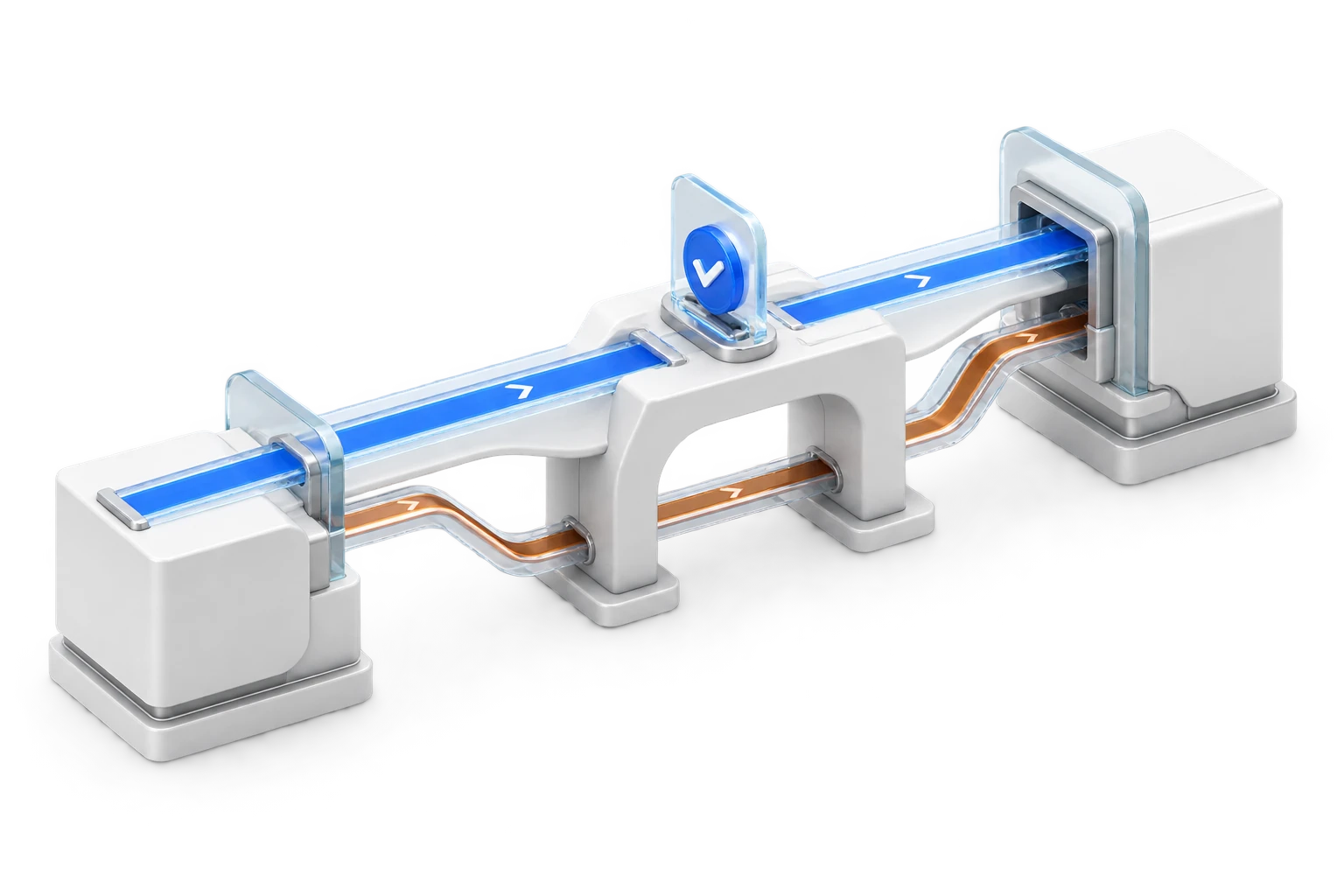
Approval Bypass in AI Agents

The real control is whether approval state is enforced before action, not whether the prompt asks the model to be careful.

An action route bypasses a separate approval checkpoint and reaches a business operation.
Approval must precede action.

What is Approval Bypass?

Approval bypass occurs when an agent completes, influences, or routes around a required human or system approval.

Agents can draft, summarize, select approvers, prepare payloads, and execute follow-up actions. Weak approval design turns suggestion into action.

Where this shows up in real agent workflows.

The exact exposure depends on authority, connected systems, identity, approval state, and evidence quality.

01

Scenario

A casual confirmation is treated as authorization.

02

Scenario

A summary hides material risk from a reviewer.

03

Scenario

A tool executes before approval status is verified.

Why it matters

  • Unauthorized actions appear approved.
  • Accountability blurs across requester, approver, owner, and agent.
  • Audit evidence does not match the real decision.

How attackers exploit it

  • Exploit ambiguous language or stale approval state.
  • Manipulate evidence shown to the reviewer.
  • Use a tool path that does not check approval objects.

How to detect and test for approval bypass.

Detection signals

  • Actions occur before approval timestamps.
  • Approval summaries omit sensitivity, scope, or irreversible effect.
  • Requester, approver, and executor share the same identity.

Test methods

  • Test missing, expired, partial, conflicting, and revoked approvals.
  • Verify tool-side approval enforcement.
  • Review whether approval context is complete enough for human judgment.