
Audit Gaps in AI Agents

Autonomous AI needs reviewable evidence across prompt, context, identity, tool call, approval, policy result, and business effect.

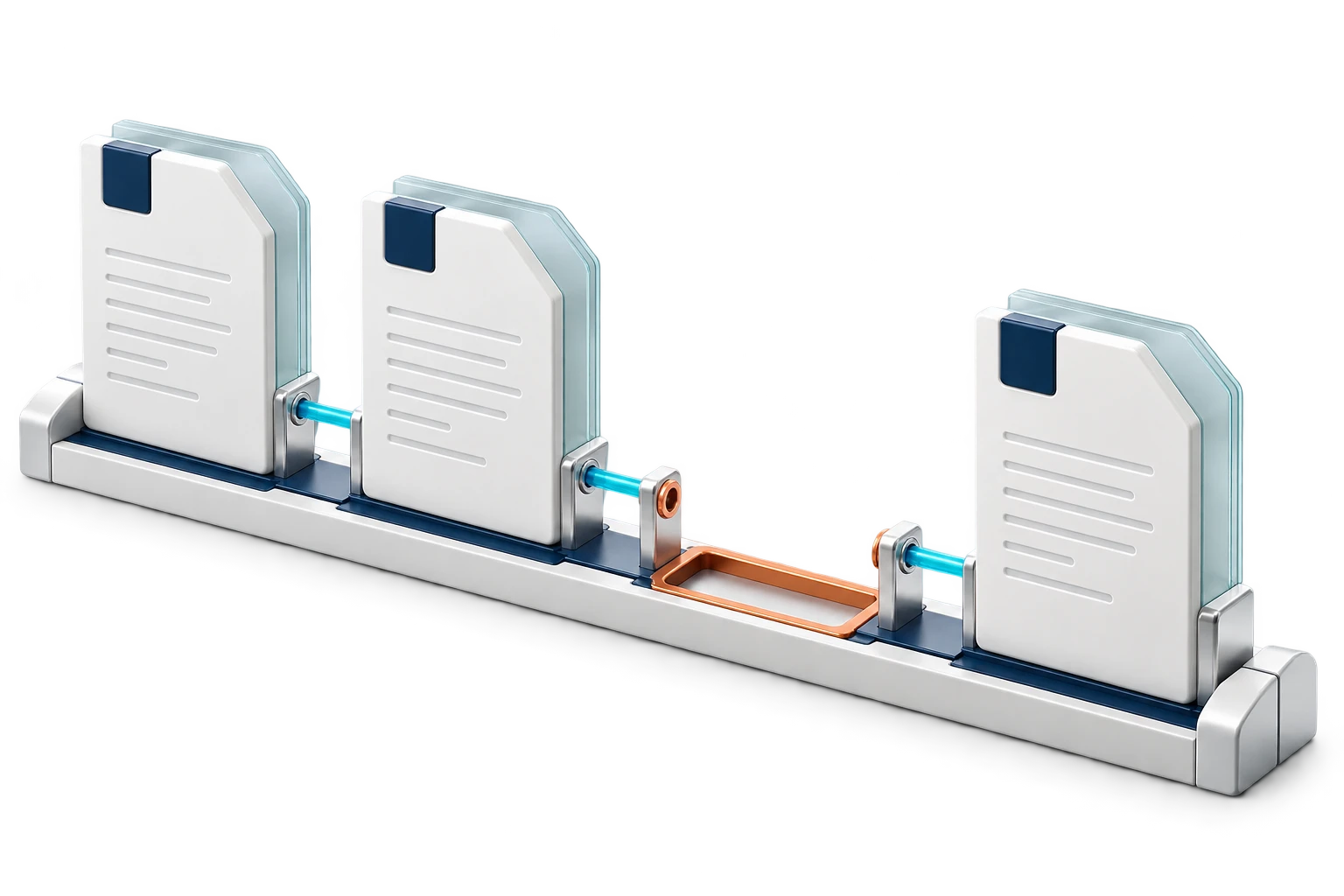
A sequence of evidence records contains a missing link between an approval and a business action.
Keep the action trail reconstructable.

What is Audit Gaps?

Audit gaps occur when teams cannot reconstruct why an agent acted, which control applied, who owned the decision, or what evidence supports the outcome.

Incomplete logs slow containment, weaken accountability, and make it harder to approve production use even when controls appear to work.

Where this shows up in real agent workflows.

The exact exposure depends on authority, connected systems, identity, approval state, and evidence quality.

01

Scenario

A tool call is logged without prompt, context, or approval state.

02

Scenario

A reviewer sees the final answer but not the policy decision.

03

Scenario

Sensitive traces are over-collected or deleted too aggressively.

Why it matters

  • Longer incident response.
  • Production approval delays.
  • Compliance risk from unclear ownership and retention.

How attackers exploit it

  • Trigger actions through paths where only final output is recorded.
  • Exploit gaps between model trace, app log, tool log, and business record.
  • Use chained actions to blur responsibility.

How to detect and test for audit gaps.

Detection signals

  • Logs lack requester, identity, source context, policy result, or owner.
  • Evidence cannot be joined across systems.
  • Teams cannot answer what changed, why, and who could stop it.

Test methods

  • Replay workflows and verify evidence from request to business effect.
  • Test failed, blocked, approved, and escalated actions.
  • Balance investigation value with sensitive data minimization.